Bozeman in Summer vs. Winter: Two Completely Different Towns
By Bozeman Proper Staff
January 24, 2026 · 9 min read
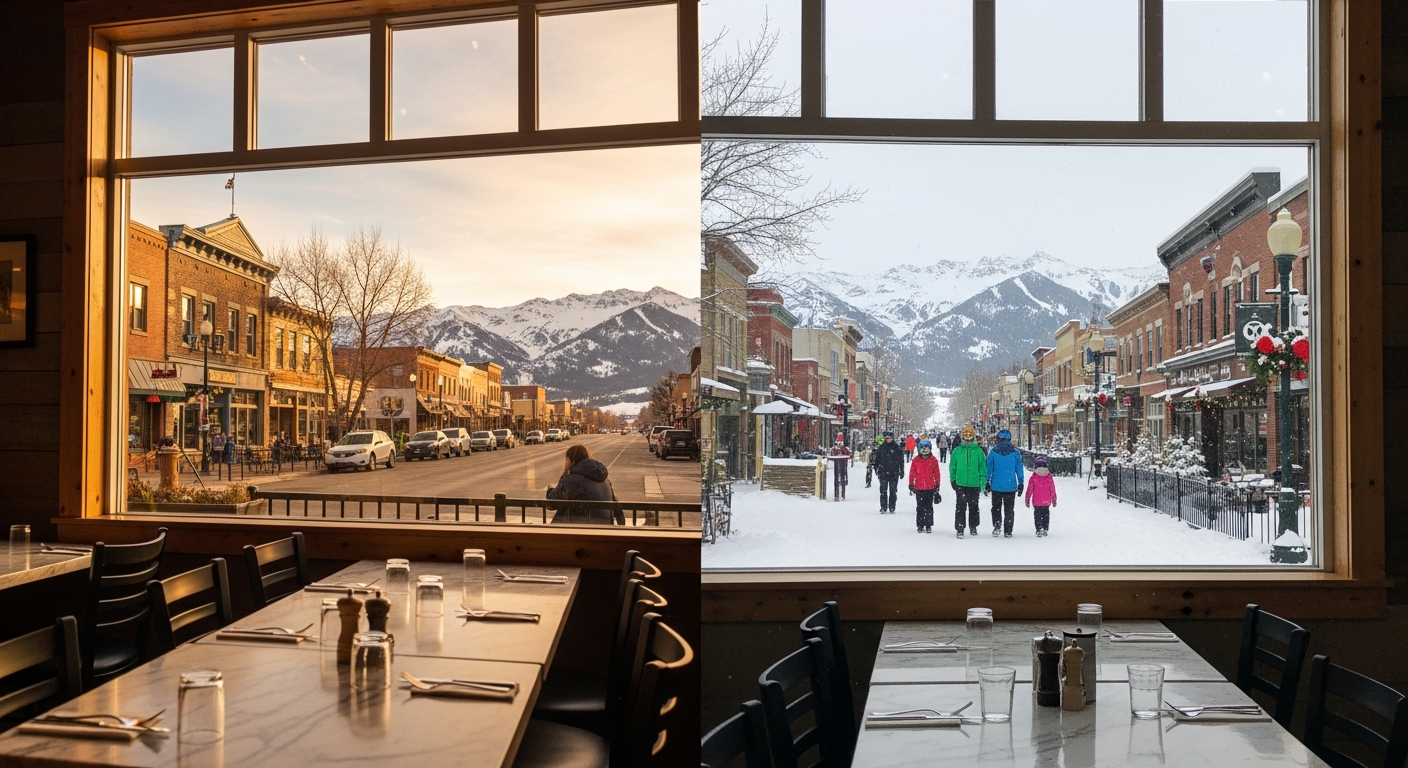
People who visit Bozeman in July and people who visit in January might as well be visiting different towns. The physical landscape, the population, the vibe, the daily rhythms, and even the restaurant scene shift so dramatically between seasons that it’s worth understanding both before deciding when to plan your trip. Neither is better — they’re just genuinely different experiences.
Summer Bozeman
Summer Bozeman (June through September) is energetic, crowded, and sun-drenched. The days are long — sunrise before 6 AM, sunset after 9 PM in June and July — and locals live outside. Farmers markets, outdoor concerts at the Brick, patio dining on Main Street, and evening fly fishing on the Gallatin River define the season. Expect daytime highs in the 80s through July, with occasional spikes into the low 90s. Mornings are crisp, often in the 50s, which makes early hiking genuinely comfortable.
The downside is that summer is peak Yellowstone season, and Bozeman feels it. Traffic on Main Street slows to a crawl, restaurant wait times spike, and hotel prices peak. A room that goes for $150 in October will run $280+ in July.
Then there’s the wildfire smoke. From late July through mid-September, wildfire smoke from fires in Montana, Idaho, and the Pacific Northwest can settle into the Gallatin Valley and sit there for days. Bad smoke years turn the sky a flat gray-orange, push the AQI above 150, and make outdoor activities genuinely inadvisable. In 2024 there were two full weeks in August where you couldn’t see the Bridgers from downtown. Not every summer is bad, but plan for the possibility, especially in August. If smoke sensitivity is a concern, June and early July are safer bets.
Winter Bozeman
Winter Bozeman (November through March) is quieter, colder, and more authentically local. The tourists thin out dramatically after ski season weekends, and the town returns to its university-town roots. This is when you get a table at any restaurant without a reservation, when the trails are empty, and when the mountains have their best light for photography — low winter sun on fresh snow is hard to beat.
The cold is real though. December and January average highs in the upper 20s to low 30s, with lows regularly dropping to 0 to -10F. February is often the coldest month, with stretches where the high doesn’t break 20F. The cold is dry, which makes it more tolerable than equivalent temperatures in the Midwest, but exposed skin still hurts below zero. Dress in layers, cover your face, and don’t underestimate it.
Skiing is the main draw, and it’s a good one. Big Sky Resort is 50 miles south and has some of the best terrain in North America. Bridger Bowl is 20 minutes north and beloved by locals for its steep chutes and lack of crowds. Beyond skiing, winter Bozeman has excellent hot springs for soaking after a day outside, a growing cross-country skiing scene, and the kind of cozy bar and restaurant culture that only happens when it’s dark by 5 PM and nobody wants to go home yet.
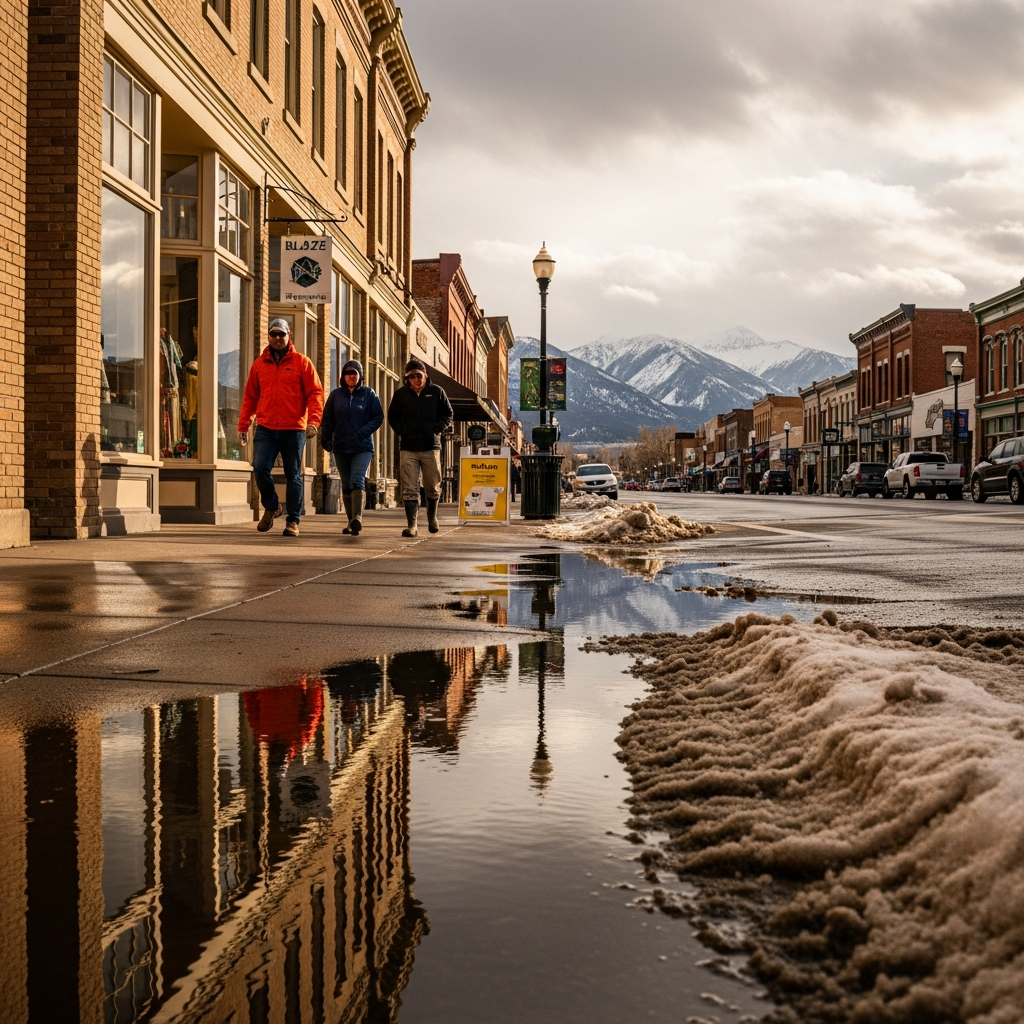
Winter driving is the other reality. If you’re renting a car, confirm snow tires at pickup. Highway 191 through Gallatin Canyon gets icy and the road to Bridger Bowl climbs through a mountain pass. Even downtown Bozeman streets can be packed snow for weeks in January. It’s manageable with the right tires and some patience, but it’s not something to take casually.
The restaurant question
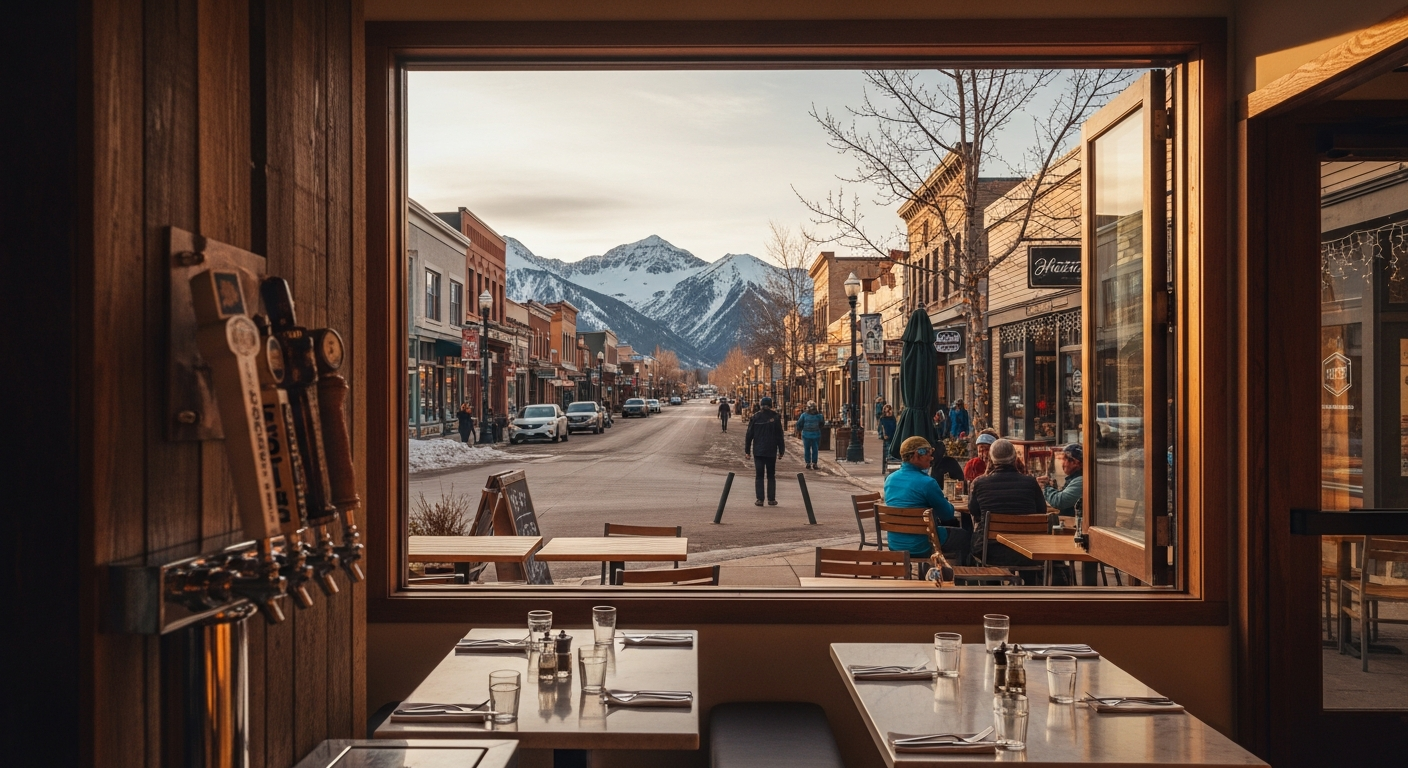
Bozeman’s restaurant scene is strong year-round, but it does shift between seasons. In summer, every restaurant is open and most are operating at full capacity with extended hours. Patio seating doubles the available space at places like Blackbird, Dave’s Sushi, and Montana Ale Works. Reservations are smart for anything after 6 PM from June through August.
Winter is different. A handful of restaurants reduce their hours or close entirely between November and April — mostly the ones that depend on tourist traffic. But the core of Bozeman’s dining scene runs year-round, and winter is honestly the better time to eat out if you hate crowds. Walk-in tables are available at most places on weeknights, the bartenders have time to talk, and the seasonal menus tend toward the hearty comfort food that Montana does well.
Photography differences
Summer gives you golden hour twice a day with wildflowers, green valleys, and dramatic thunderstorm skies in the afternoon. Winter gives you snow-covered peaks, moody low light, and the Bridger Range lit pink at sunrise. Both are photogenic, but they photograph completely differently. If mountain photography is a priority, February and March offer the most snow coverage with longer days than December. For wildflower photography, late June through mid-July in the Gallatin Range is peak.
Activities by season: quick comparison
| Activity | Summer (Jun-Sep) | Winter (Nov-Mar) |
|---|---|---|
| Hiking | Peak season, all trails open | Limited — snowshoes needed above 6,000 ft |
| Skiing (downhill) | Not available | Big Sky, Bridger Bowl — world-class |
| Cross-country skiing | Not available | Crosscut, Hyalite, in-town trails |
| Fly fishing | Prime season, especially July | Some winter fishing on the Gallatin |
| Yellowstone access | Full park, all entrances | North entrance only, limited roads |
| Hot springs | Great year-round | Best in winter — snow falling while you soak |
| Restaurant availability | All open, peak hours and waits | All core spots open, easy walk-ins |
| Hotel pricing | $200-350/night | $120-250/night (holidays higher) |
| Farmers market | Saturdays, June-September | Not available |
| Photography | Golden hour, wildflowers, storms | Snow-covered peaks, moody light, pink alpenglow |
For a more detailed breakdown of what each individual month looks like, check out our full month-by-month guide to visiting Bozeman. We’ll also be publishing specific guides to visiting Bozeman in October and Bozeman in April/May — the two shoulder-season windows that most visitors overlook.
Crowd levels, month by month
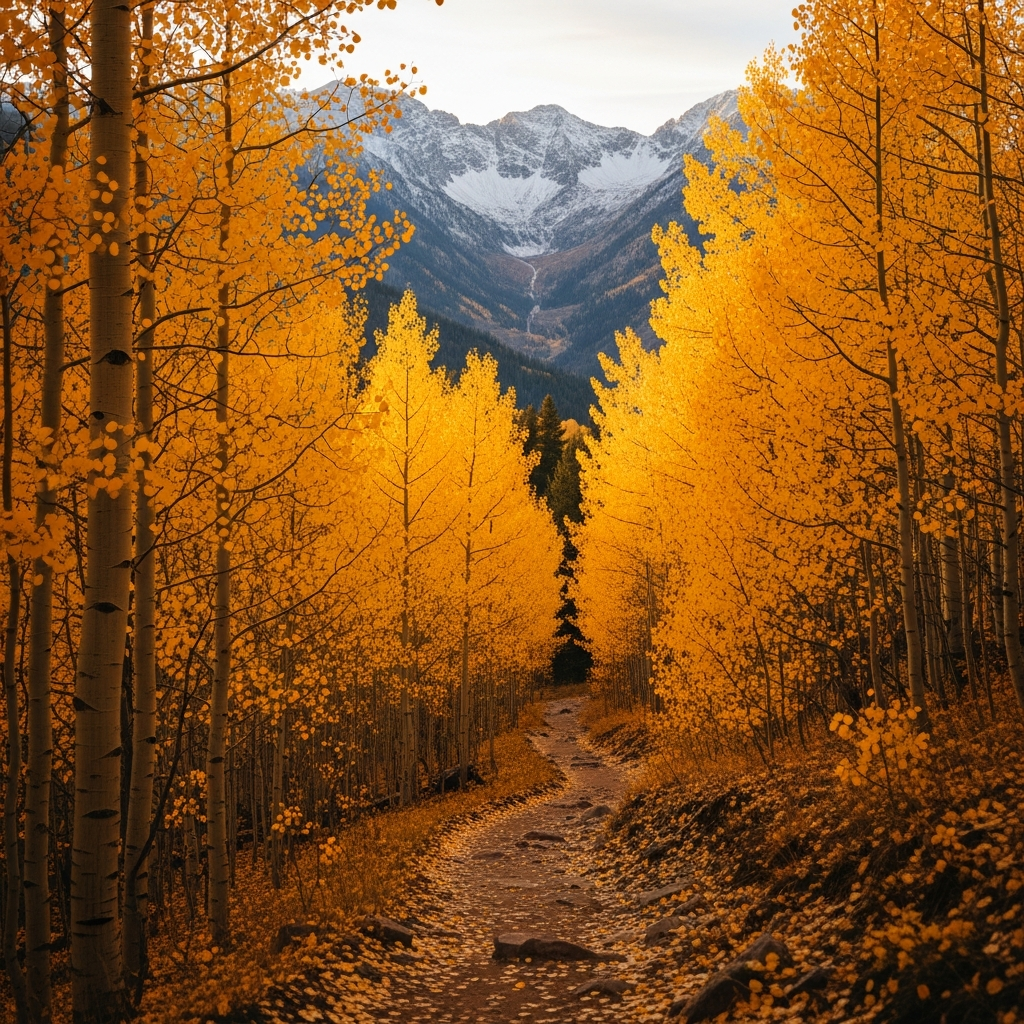
The quietest months in Bozeman are October, November, April, and May. October has fall colors and empty trails. November is pre-ski-season limbo. April is muddy and confused — winter is ending but spring hasn’t committed. May has warm days, high rivers, and very few tourists.
The busiest months are July (peak summer and Yellowstone traffic), August (still summer but smoke risks), and the last two weeks of December through early January (holiday ski season). February weekends are busy at the ski areas but Bozeman proper stays mellow. March spring break brings a bump depending on school schedules.
June is the sweet spot for summer — warm days, long light, no smoke, and crowds that haven’t fully arrived yet. January midweek is the sweet spot for winter — cold but uncrowded, with fresh snow on the mountains and no one in your way.