When to Visit Bozeman: A Month-by-Month Guide
By Bozeman Proper Staff
February 4, 2026 · 14 min read
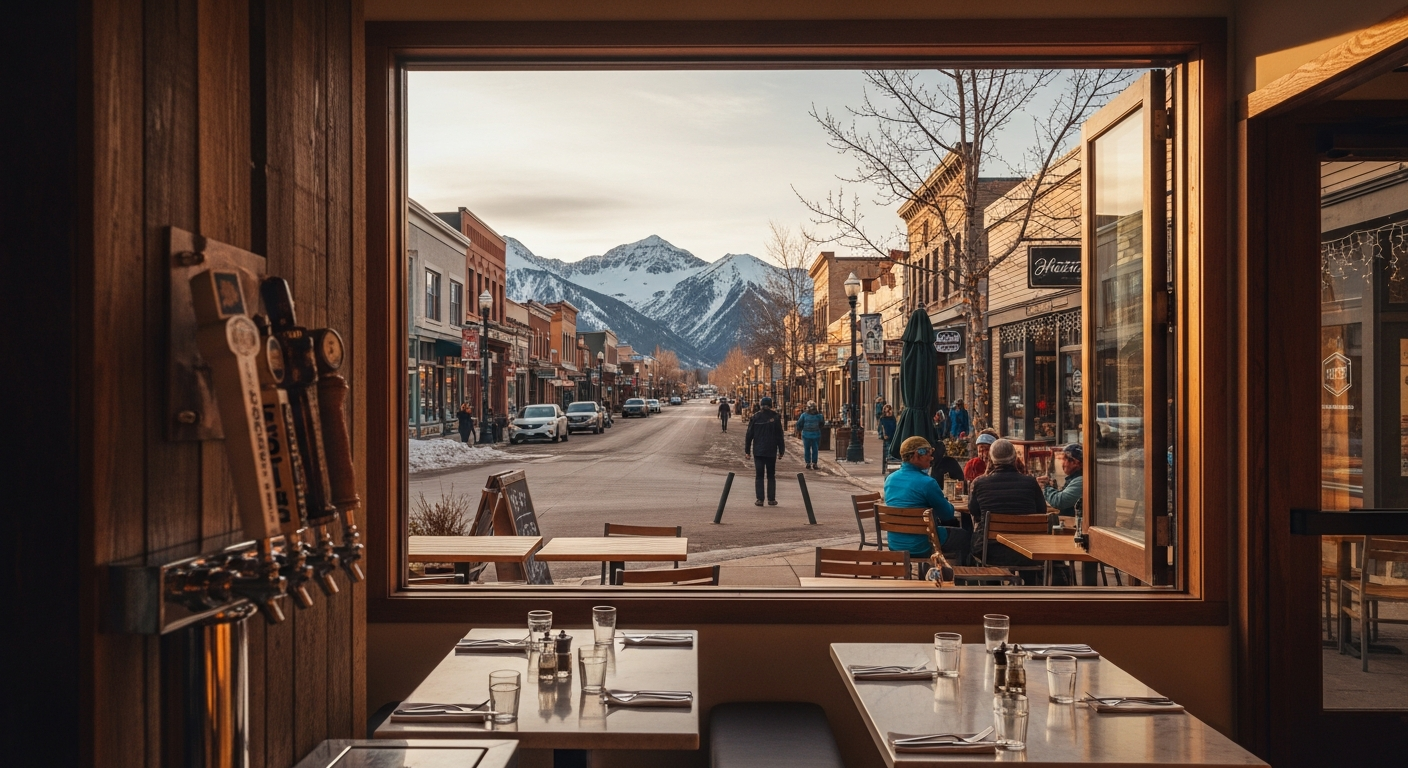
The honest answer to “when should I visit Bozeman” depends entirely on what you want to do. July and August are the obvious picks — warm weather, long days, Yellowstone access, fly fishing in peak form — but they are also when every hotel room within 50 miles is booked and Main Street feels more like a theme park than a Montana town. The best times to visit, in my opinion, are the shoulder seasons that most visitors never consider. But every month has a case, and some months have a strong case against them.
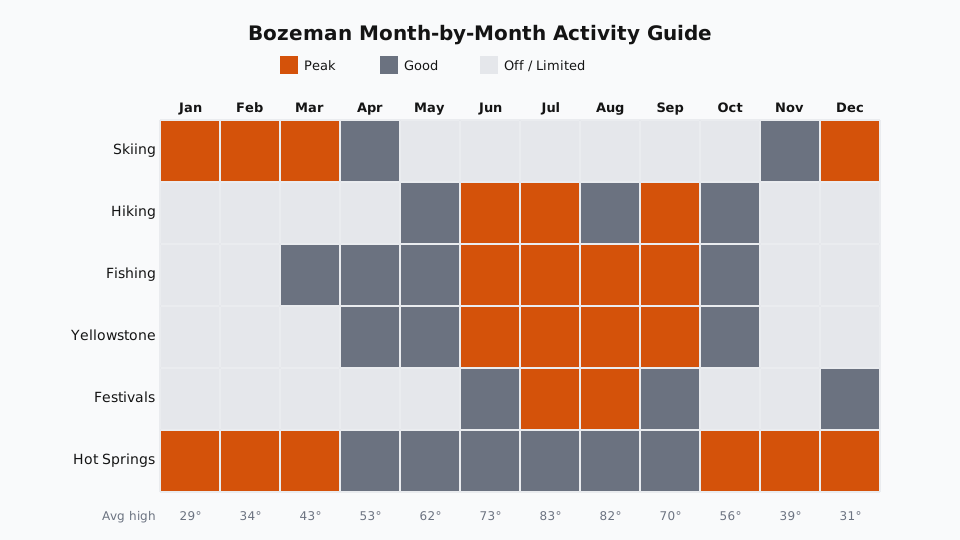
Winter: December through March
December and January are for skiers and people who find negative-20-degree mornings “invigorating.” Big Sky Resort is in full swing, Bridger Bowl is delivering its famously steep and affordable skiing, and the town has a cozy, locals-and-ski-bums energy that you do not get in summer. If you have never been to Big Sky, read our first-timer’s guide to the resort before booking — it will save you money and frustration.
Average December highs hover around 31 degrees, with lows near 11. January is the coldest month, averaging 29 high and 8 low, though week-long stretches below zero are not unusual. Bozeman gets about 80 inches of snow per season in town, but Bridger Bowl and Big Sky measure theirs in hundreds — Bridger averages 350 inches, Big Sky around 400.
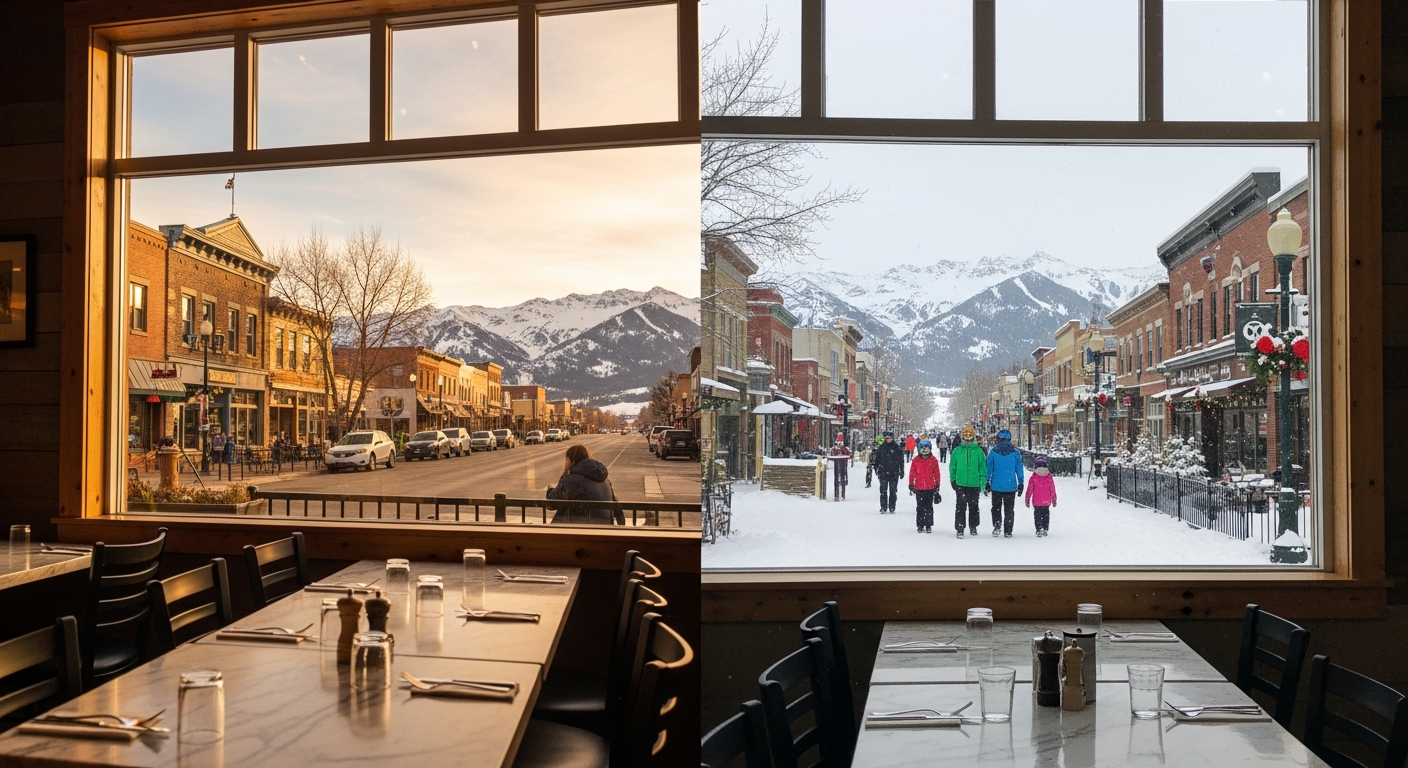
The first weekend of December brings the Christmas Stroll, which is one of those small-town events that actually lives up to the hype. Main Street closes to cars, shops stay open late, there is live music on every block, and Santa arrives on a fire truck. Book lodging early for that weekend — downtown hotels fill up fast. New Year’s Eve in Bozeman is a quieter affair. A few bars do events, but most people are at Big Sky or home by the fire.
February is the sweet spot for winter visits. The days start getting longer, the snowpack is deep, and the post-holiday lull means better availability and lower prices than the Christmas-to-New-Year’s rush. Hotel rates in February run $120-$180 per night for a standard room downtown, compared to $200-$300 during the holiday weeks. It is also the best month for a hot springs soak near Bozeman — nothing beats sitting in 104-degree water while snow falls around you.
March is wildcard month. You might get bluebird spring skiing or you might get a three-day blizzard. Pack for both. Bridger Bowl often has its best snow in March, and the longer days make for excellent corn-snow skiing by month’s end. Spring break visitors show up mid-March, but the crowds are nothing like peak summer.
Mud season: April and May
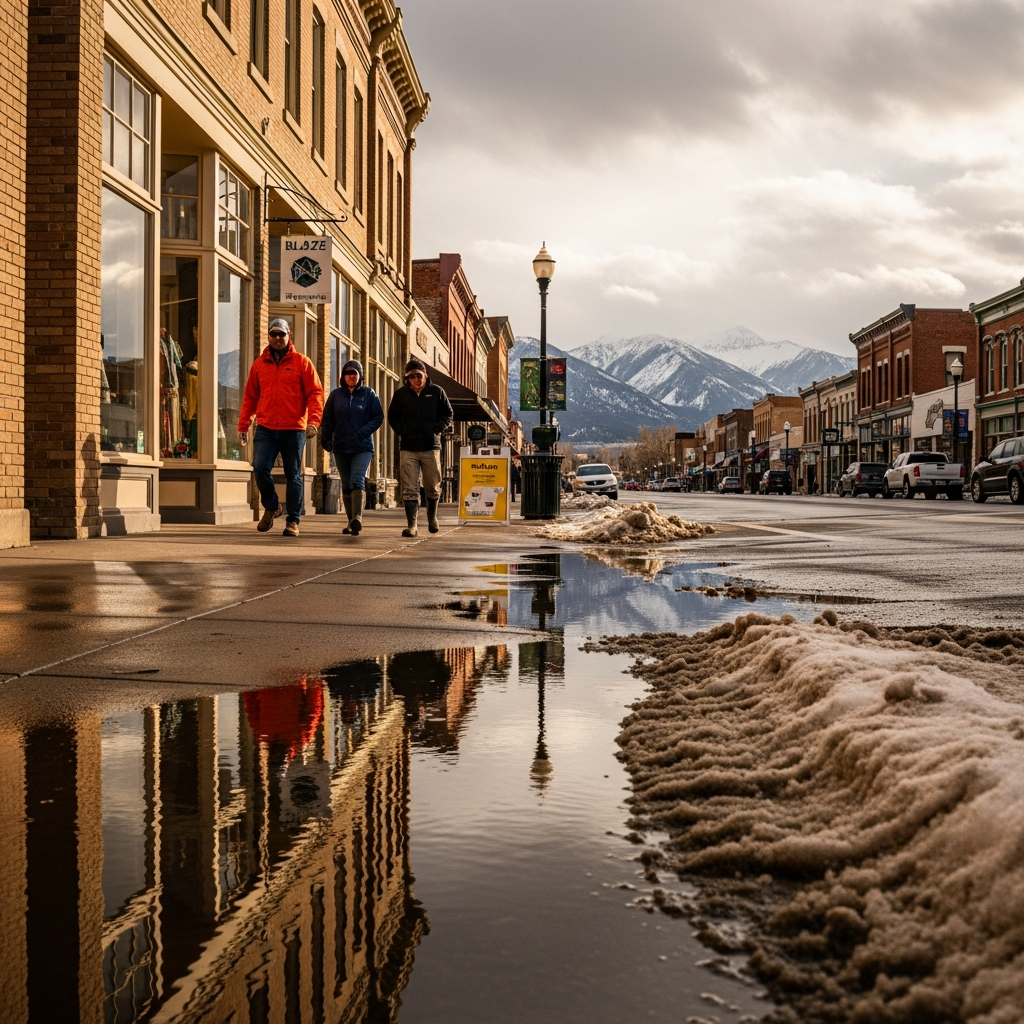
Let’s be direct about something: April and May are the worst months to visit Bozeman for most tourists. They are called “mud season” by locals, and the name is accurate. This is the period that fills Airbnb review sections with disappointed visitors who booked a “spring trip to Montana” and found something that looks nothing like the Instagram version of the place.
Here is what actually happens in April and May:
The trails are closed or terrible. Every hiking trail in the Bridger Range and the mountains around town is either buried under several feet of compacted snow or a mud pit from freeze-thaw cycles. The freeze-thaw cycle is relentless in April — nights drop below 30, days hit 50, and the top 3 inches of trail alternate between ice and slop every 24 hours. Hiking these trails damages them badly and is miserable to do. Gallagher Canyon, the M Trail, Drinking Horse — all of them range from “difficult slog” to “actually closed” from mid-March through mid-May depending on the year.
The ski areas are closed or closing. Bridger Bowl wraps up in early April. Big Sky hangs on through mid-April in a good snow year. By the time most “spring break” travelers from warmer climates get here in late April thinking they can ski and hike, both mountains are closed and the trails are a mess. There is a two-to-four-week window where nothing is fully operational in either category.
Everything is brown. The snow is melting, the grass has not come in yet, and the rivers are running chocolate-brown with snowmelt and sediment. The valley that looks like a movie set in July looks like a construction site in April. The Bridgers still have snow on the peaks, which is visually nice, but the valley floor has the appearance of a muddy fairground after a rainy weekend.
Seasonal businesses are shut down. Many outfitters, whitewater companies, guided fishing services, and seasonal restaurants close between their winter and summer operating periods. Some spots that are open all summer do reduced hours or close entirely in April. You might show up to a restaurant that closed for two weeks between seasons. This is more common than visitors expect.
Airbnbs are cheap for a reason. April is the lowest price month of the year, and it shows. You can absolutely find a cabin for $90 a night in April. Locals know why those deals exist. Visitors who do not ask why are often surprised by what they find. If you see suspiciously cheap availability in April and May compared to June, it is not a hidden gem situation — it is mud season.
The honest advice: Do not visit Bozeman in April or early May unless you have a specific reason to be here. The only visitors who genuinely benefit from mud season are fly fishers. The rivers hit peak runoff in late April through May, and for nymph fishing in turbid, high water, this is actually productive. The Gallatin and Madison are both running heavy and if you know what you are doing, spring fishing can be excellent. If you do not fly fish, April has almost nothing to recommend it.
May improves steadily as the month progresses. By mid-to-late May the valley starts greening up, lower trails dry out enough to hike without doing major damage, and the restaurants open their patios. Late May is genuinely underrated — fewer tourists than you would believe possible, wildflowers starting on the lower slopes, the dining scene back in full swing without summer wait times. The Farmers Market does not open until the third week of June, but everything else is basically operational.
The important caveat: unpredictable late-season snow is real. I have seen 6 inches fall on Memorial Day weekend. Do not book a late-May trip expecting June-quality weather. Pack layers, have indoor backup plans, and do not put the winter coat all the way in the back of the closet. Late May can be 70 and gorgeous or it can be 35 and snowing sideways. Sometimes in the same week.
Summer: June through August
This is peak season and it earns the designation. June is arguably the single best month — warm but not hot (average high of 73, low of 44), rivers running clear, wildflowers blanketing the valleys, and Yellowstone accessible but not yet at maximum insanity. The Sweet Pea Festival does not happen until early August, but June has First Friday art walks downtown and Music on Main events that give you a taste of Bozeman’s summer personality.
July is full-throttle summer. Highs in the 80s, occasionally touching 90. Yellowstone in July is an exercise in patience, with bumper-to-bumper traffic in the Lamar Valley and 30-minute waits for Old Faithful parking. But the Gallatin River is world-class for fly fishing, the hiking is prime, and the farmers market runs every Saturday. Hotel rates peak in July — expect $200-$350 per night downtown, and $300-$500 at Big Sky or closer to Yellowstone. Book accommodation months in advance or be prepared to pay a premium for last-minute availability.
The August wildfire smoke problem
August deserves its own honest paragraph. On paper it looks great — still warm, festivals running, the rivers are at their best wading levels. The Sweet Pea Festival (first weekend of August) is Bozeman’s signature event, with live music, a parade, an art show in Lindley Park, and a general three-day-party energy. But August is also wildfire smoke season.
Some years the smoke is barely noticeable. Other years it blankets the valley for weeks, turning the sky a hazy gray-orange and pushing the AQI above 150 (unhealthy for everyone, not just sensitive groups). 2017, 2021, and 2024 were bad smoke years where outdoor activity was genuinely limited for stretches of 10-plus days. You cannot predict it in advance, and it can roll in overnight.
If you are planning a trip that revolves around outdoor activities — hiking, fishing, photography — August carries real risk. My backup plan for smoky days: Museum of the Rockies, the brewery circuit downtown, and soaking at Bozeman Hot Springs or Norris. Have indoor alternatives ready and do not build an itinerary that falls apart if you cannot see the mountains.
Fall: September through November
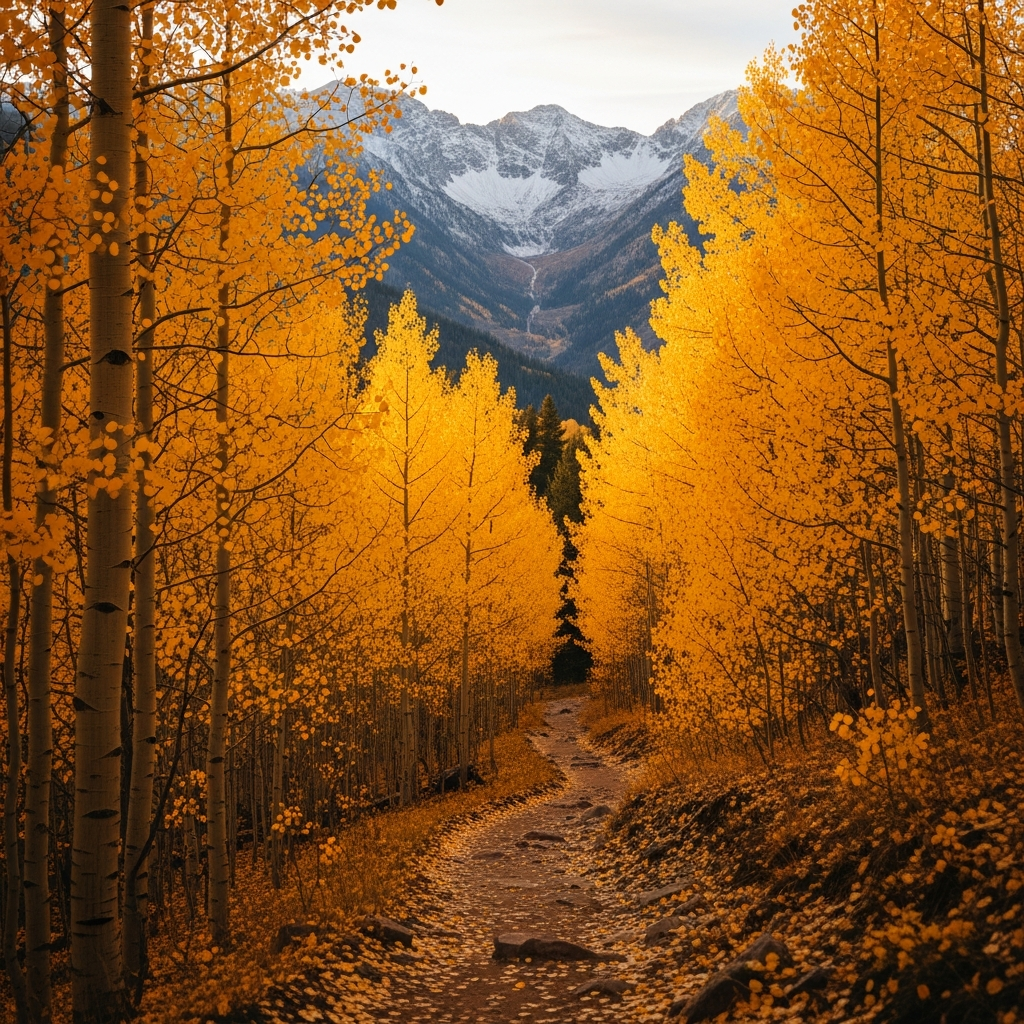
September is the other sleeper month, and it might be my personal favorite. The summer crowds evaporate after Labor Day, the cottonwoods turn gold along the rivers, elk are bugling in the mountains, and the weather is crisp and clear — average highs around 65, lows in the mid-30s. It is the best hiking month of the year. The air quality is almost always excellent by mid-September, the smoke clears out, and the light has that golden fall quality that photographers go crazy for.
Hotel rates drop 30-40% from their July peak. You will pay $130-$200 for rooms that cost $250-$350 two months earlier. Restaurants are still fully open but you can walk into the best spots in town without a reservation on a Tuesday. For a deeper look at how summer and winter Bozeman compare, September sits right at the transition point where you get the best of both.
October stays pleasant through mid-month, with highs in the 50s and the fall colors peaking in the Gallatin Canyon and Hyalite. The Bridger Range goes gold and red against early snow on the peaks — it is the most photogenic the area gets all year. But the temperature drops hard after mid-October. By late October you are looking at snow on the ground and winter approaching fast.
November is limbo. Too late for fall activities, too early for ski season (Big Sky typically opens Thanksgiving week, Bridger Bowl around the second week of December). The town has a quiet, waiting-for-winter feel. Restaurants cut hours, some outfitters close for the season, and the days are short — sunrise after 7:30 AM, sunset before 5 PM. Unless you are hunting or specifically want solitude, November is the one month I would steer most visitors away from.
Lodging prices by season
The price swings are dramatic enough to be worth planning around. Here is what a standard hotel room downtown typically runs:
- Peak summer (July-August): $200-$350 per night
- Early summer / early fall (June, September): $150-$250
- Ski season (December-March): $120-$250 (higher during holidays and holiday weekends)
- Shoulder (May, October): $100-$180
- Low season (April, November): $90-$130
Those are hotel rates. Airbnbs and vacation rentals follow the same seasonal pattern but with even wider swings. A cabin near Big Sky that rents for $200 per night in November might hit $500-$700 in July. For a full breakdown on where to stay and what to book, that guide covers neighborhoods, property types, and the hotel-vs-Airbnb math.
Month-by-month quick reference
| Month | Avg high/low | Crowd level | Best for | Watch out for |
|---|---|---|---|---|
| January | 29/8 F | Low-moderate | Skiing, hot springs, empty restaurants | Extreme cold, short days |
| February | 34/13 F | Low-moderate | Skiing (best value), winter photography | Cold snaps below zero |
| March | 42/20 F | Moderate | Spring skiing, corn snow | Unpredictable weather swings |
| April | 51/28 F | Very low | Budget lodging, solitude | Mud everywhere, limited activities |
| May | 61/36 F | Low | Wildflowers, patio dining | Rain, unpredictable weather |
| June | 73/44 F | Moderate-high | Hiking, fishing, Yellowstone | Book lodging early |
| July | 84/50 F | Peak | Full park access, farmers market | Crowds, peak prices, heat |
| August | 82/48 F | Peak | Sweet Pea Festival, rivers | Wildfire smoke risk |
| September | 68/38 F | Low-moderate | Fall colors, elk rut, hiking | Cooling temps, shorter days |
| October | 55/29 F | Low | Fall photography, empty trails | Cold by late month, closures |
| November | 40/20 F | Very low | Solitude, pre-season deals | Almost nothing is open |
| December | 31/11 F | Moderate | Skiing, Christmas Stroll | Holiday price spikes |
We’ll be publishing detailed guides for specific months — Bozeman in October and Bozeman in April/May are coming soon with day-by-day activity recommendations and packing lists tailored to each window.
The bottom line on timing
If I had to pick one month for a first-time Bozeman visitor, I would say June. Best combination of weather, access, crowds, and pricing. If you have been before and want a different experience, come in February for skiing or September for fall. Avoid April and November unless you have a specific reason to be here.
Your next step: pick your month, then figure out where you are sleeping. Our lodging guide breaks down every neighborhood and price point so you do not end up 45 minutes from town wondering where it all went wrong.