Bozeman to Yellowstone: The Complete Day Trip Planning Guide
By Bozeman Proper Staff
February 2, 2026 · 15 min read
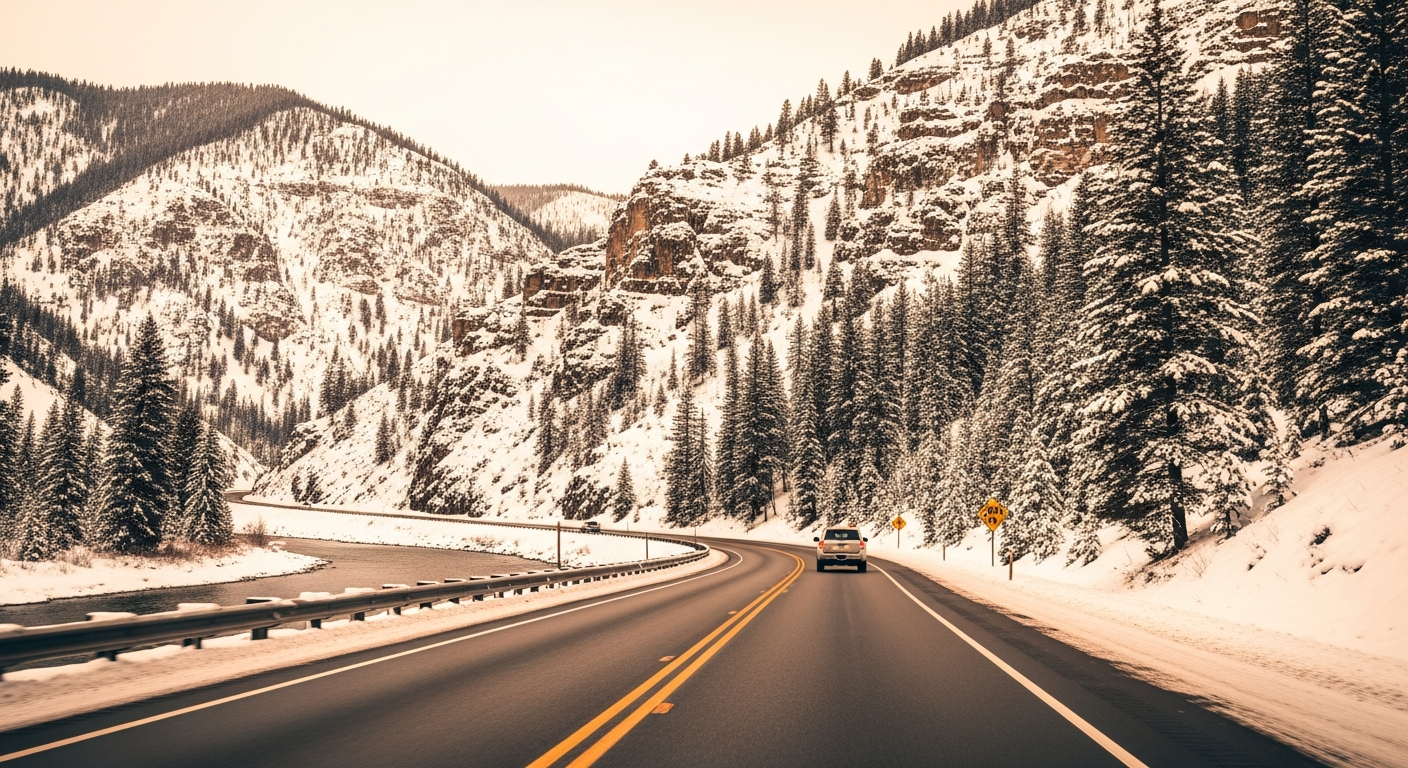
Bozeman is the best base camp for Yellowstone in Montana, and it is not close. You are 90 miles from the park’s north entrance at Gardiner and about 90 miles from the west entrance at West Yellowstone. Both are doable as day trips, but they lead to completely different experiences inside the park, and choosing the wrong entrance for what you want to see is the most common mistake visitors make. This guide is designed to help you pick the right route, leave at the right time, and spend your hours inside the park on the things actually worth seeing.
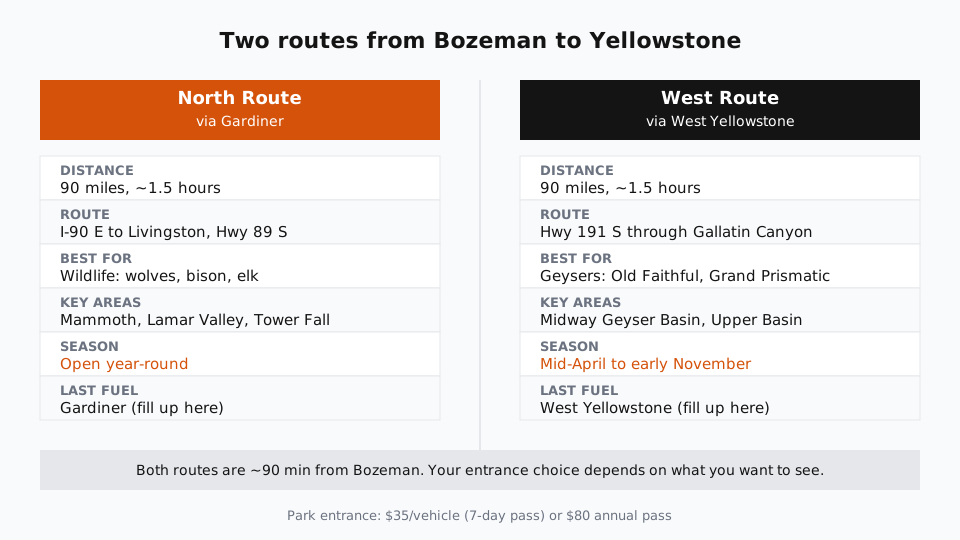
View both routes on Google Maps
North Entrance via Gardiner
View the north route on Google Maps
Take I-90 east to Livingston, then head south on Highway 89 through Paradise Valley. This is one of the most beautiful drives in Montana — the Yellowstone River runs alongside the road, the Absaroka Range rises to the east, and on a clear morning the whole valley glows. The drive takes about 90 minutes to Gardiner, the small gateway town where the iconic Roosevelt Arch marks the park’s original entrance.
From Gardiner, you enter the park and immediately access the Mammoth Hot Springs area, the Lamar Valley (the best wildlife watching in Yellowstone, bar none), and Tower-Roosevelt. This is the route for people who want to see wolves, bison herds, elk, and the raw, less-developed northern section of the park. The north entrance is also the only entrance open year-round, which makes it the default for winter visits.
Along the way, you will pass through Emigrant (mile marker 31 on Highway 89), which has the last reliable cell service before Gardiner. About 20 minutes past Emigrant, the canyon narrows and the road cuts through some of the most dramatic river-and-cliff scenery in the state. Pull off at Corral Creek or Yankee Jim Canyon if the light is good — these are the shots that make people think you hired a photographer.
Fill your gas tank in Gardiner. There is a single gas station in town and prices are about 30 cents higher per gallon than Bozeman, but it is your last chance before entering the park. Inside Yellowstone, the nearest fuel on this route is at Tower Junction, roughly 18 miles from Mammoth, and it is not always open early in the season. Bathrooms are available at Mammoth (right after the entrance) and at Tower Junction. Between those two points and Lamar Valley, there is nothing.
West Entrance via West Yellowstone
View the west route on Google Maps
Head south from Bozeman on Highway 191 through Gallatin Canyon — the same road you would take to Big Sky. If you have driven the canyon route to Big Sky from the airport, you already know this stretch: two lanes, winding, and absolutely worth paying attention to, especially in winter. Continue past the resort turnoff and the road opens up as you approach West Yellowstone. This route takes about 90 minutes and puts you closest to the park’s headline geothermal features: Old Faithful, Grand Prismatic Spring, the Midway Geyser Basin, and the Fountain Paint Pots.
If your Yellowstone priority list starts with geysers and hot springs, this is your entrance. The west entrance is seasonal (typically mid-April through early November), and in July and August the line of cars waiting to enter at 9 AM can stretch for a mile. Leave Bozeman by 7 AM at the latest during peak summer. By 6:30 AM if you can manage it.
West Yellowstone the town has several gas stations, so fill up there. Once inside the park, the next fuel is at Old Faithful — about 30 miles from the entrance — and the lines at that pump can take 20 minutes in high season. Bathrooms are available at the Madison Information Station (about 14 miles inside the entrance) and at every major geyser basin. You will not need to plan as carefully for restroom stops on this route as on the north side.
Which entrance is right for your trip?
This is the decision most visitors get wrong, and getting it wrong can ruin your day. People see “Yellowstone” on a map, point at the closest entrance, and go. They end up spending their only day in the park queued in traffic at the west entrance in July when they wanted to see wolves — or they drive to Gardiner in winter hoping to see Old Faithful, which you cannot reach by car from November through April.
Here is the honest guide to which entrance you should use.
Choose the West Entrance (via West Yellowstone) if:
- Your Yellowstone bucket list is geothermal: Old Faithful, Grand Prismatic Spring, Midway Geyser Basin, Fountain Paint Pots
- You are visiting between mid-April and early November (the west entrance is seasonal and closed in winter)
- You are okay fighting summer crowds in exchange for seeing the most famous features
- You are visiting with kids who will be more impressed by a geyser erupting on schedule than by a distant wolf sighting
Know what you are getting into on this route in July and August: the line of cars at the west entrance gate on a summer morning can stretch a mile. You will sit in traffic inside the park near Old Faithful. The parking lots fill by 9 AM. This is not a secret — it is the most-visited part of the most-visited section of the park. Go early (Bozeman by 6:30 AM) or accept the crowds.
Choose the North Entrance (via Gardiner) if:
- Wildlife is your priority: bison herds, wolves, elk, pronghorn, and bears are all more reliably spotted in the Lamar Valley than anywhere else in the park
- You are visiting in winter — this is the only entrance open to private vehicles year-round
- You want a less crowded experience even in summer
- You are a serious photographer and want the Lamar Valley at dawn
- You are interested in Mammoth Hot Springs as an alternative geothermal experience that does not involve standing in a crowd of 500 people
The north entrance is not without summer crowds, but it is meaningfully less congested than the west side. The tourists who default to Old Faithful are doing you a favor by staying away from Lamar.
The #1 mistake tourists make in Yellowstone is driving to the west entrance in summer, sitting in two hours of traffic to see Old Faithful for 3 minutes, and declaring that they “did Yellowstone.” They saw the most generic version of the park at its most crowded. The Lamar Valley on a cold September morning with wolves moving through the mist is a completely different experience — and most visitors never find it because they assumed west entrance, geysers, done.
Quick cheat sheet:
| Your goal | Use this entrance |
|---|---|
| Old Faithful, Grand Prismatic | West Entrance (West Yellowstone) |
| Wolves, bison, elk in Lamar Valley | North Entrance (Gardiner) |
| Mammoth Hot Springs | North Entrance (Gardiner) |
| Winter visit (any date) | North Entrance only — west is closed |
| Less crowded experience in summer | North Entrance (Gardiner) |
| First-time visitor, iconic shots | West Entrance — but go very early |
Both entrances are about 90 miles from Bozeman. Neither is “closer.” The only variable is what you want to see.
Entrance fees and passes
Yellowstone charges $35 per vehicle for a seven-day pass. That covers everyone in the car. If you are hitting multiple national parks this year, buy the $80 America the Beautiful annual pass before you go — it covers entrance to every national park, national forest recreation area, and federal recreation site in the country. You can buy it online at recreation.gov or at the gate, but buying in advance saves you five minutes at the entrance booth. Keep the pass on your dashboard; rangers check it at multiple points inside the park.
As of 2026, Yellowstone does not require timed entry reservations for general visitors. That could change — the park tested a reservation system in 2024 — so check nps.gov/yell about two weeks before your trip. If reservations come back, north entrance slots tend to fill last because most tourists default to west.
Building your day trip itinerary
A single day in Yellowstone means choosing one section of the park, not trying to see everything. The Grand Loop is 142 miles and takes five hours to drive without stopping, which nobody does. For detailed, hour-by-hour routes, check out our three Yellowstone day trip itineraries from Bozeman — they are built around realistic timing and actual driving conditions.
For a north-entrance day trip focused on wildlife, drive from Mammoth to Lamar Valley in the early morning, stop at every pullout where you see people with spotting scopes (they have found something), eat lunch in the car, and loop back via Tower Fall. For a west-entrance day trip focused on geothermal, drive the Lower Loop from Madison to Old Faithful, walk the boardwalks at Midway Geyser Basin and the Upper Geyser Basin, and return via Firehole Drive.
Both itineraries take 8-10 hours including the drive from Bozeman. Pack food and water — in-park dining options are limited, overpriced, and often have long waits. Grab sandwiches in Bozeman the night before, or hit one of the best restaurants in town for a proper meal before you leave. You will not regret having good food in the car when the only alternative is a $14 cafeteria hamburger at Old Faithful.
Photography timing
The light in Yellowstone is at its best early and late. For the Lamar Valley, be in position by sunrise — first light hitting the valley floor with mist rising off the river is the kind of scene that makes the 4:30 AM alarm worth it. Bison and wolves are most active at dawn. By 10 AM, the herds are bedded down and the light goes flat.
Grand Prismatic Spring photographs best between 10 AM and 2 PM, which is the opposite of most landscape photography advice. The steam dissipates in midday warmth, letting the colors show through. In early morning, the spring is just a wall of steam and you cannot see much of anything. Walk the Fairy Falls trailhead overlook for the aerial view — the boardwalk-level view is impressive, but the colors only make sense from above.
Sunset at Hayden Valley or along the Madison River gives you the warm-toned bison-in-golden-light shots that end up on postcards. Plan your return drive timing around it. A 6 PM departure from Lamar or Madison still gets you back to Bozeman by 8 PM in summer.
The stops between Bozeman and the park
Do not treat the drive as dead time. On the north route, Livingston is worth a 20-minute stop on the way back — the Murray Hotel bar is one of the great old hotel bars in Montana, and Gil’s Goods makes excellent sandwiches. Chico Hot Springs, about 30 miles south of Livingston, is a legendary Montana resort with a natural hot springs pool that makes for a perfect post-Yellowstone soak (open to day visitors, $8.50 for adults). If a hot springs detour interests you, we have a full breakdown of hot springs near Bozeman with honest ratings on which ones are worth the stop.
On the west route, the Gallatin Canyon itself is worth slowing down for, and if you are a fly fisher, the stretch of the Gallatin River between Big Sky and West Yellowstone is some of the most productive water in the state. West Yellowstone the town is mostly tourist shops and fudge stores, but the Grizzly and Wolf Discovery Center is a surprisingly well-done wildlife facility worth 45 minutes if you did not see wolves in the park.
Winter day trips (December through March)
The north entrance through Gardiner is the only way to drive into Yellowstone in winter. Every other entrance closes to wheeled vehicles. The road from Mammoth to Cooke City stays open and plowed, giving you access to Lamar Valley and the northern tier of the park. That is it. No Old Faithful by car. No Grand Prismatic. No west side.
That sounds limiting, but winter in the Lamar Valley might be the single best wildlife experience in the lower 48. Wolf packs are easier to spot against the snow. Bison herds cluster near the road where the pavement traps heat. The crowds vanish — in January, you might see 10 cars in the entire valley. Bring binoculars, a thermos of coffee, and warm layers. Temperatures at dawn regularly hit -15F.
The drive from Bozeman to Gardiner in winter takes longer — allow two hours instead of 90 minutes. Highway 89 through Paradise Valley can be icy, especially the stretch through Yankee Jim Canyon. Winter timing for a Bozeman trip affects everything from road conditions to what you can access, so plan accordingly. You will want a car with AWD or 4WD and proper tires — do not try this drive in a rear-wheel-drive sedan.
Snowcoach tours run from Mammoth to Old Faithful in winter ($150-$300 per person), and they are genuinely great. The geothermal features look otherworldly surrounded by snow, and the coaches are heated. Book at least two weeks ahead in December and January.
Shoulder season road closures
Yellowstone’s road system is complicated, and partial closures are the norm from October through May. The west entrance typically closes in early November and reopens in mid-April, but exact dates shift every year based on snow. The road from Mammoth to Tower Junction to Lamar Valley stays open year-round. The road from Tower Junction south to Canyon Village closes from late October through late May.
This means that in spring and fall, your loop options inside the park shrink. A day trip in late April might give you access from the west entrance to Old Faithful but not beyond, or from the north entrance to Lamar but not to Canyon. Check the Yellowstone road status page (nps.gov/yell/planyourvisit/road-status.htm) the week of your trip. Do not rely on plans you made a month ago — a late snowstorm can close roads that were supposed to be open.
The best shoulder-season window is mid-September through early October. Crowds drop by half compared to August. Elk are in rut (the bugling echoes off canyon walls and is something everyone should hear at least once). Fall colors hit the aspens along the Lamar Valley. Most roads are still open. Temperatures are cool but manageable. This is my favorite time to do a Yellowstone day trip.
Practical checklist before you go
The day before: Fill your gas tank, pack food and at least a gallon of water per person, charge your phone (cell service is spotty to nonexistent in the park), and download offline maps of Yellowstone in Google Maps. Check the road status page.
What to bring: Binoculars (even cheap ones), layers (temperatures can swing 30 degrees between morning and afternoon), sunscreen, a hat, and a trash bag. The park is pack-in, pack-out in most areas. Bear spray if you plan to do any walking off boardwalks — you can rent it in Gardiner or West Yellowstone for $10-$12 a day.
What not to do: Do not approach wildlife. The 25-yard rule for most animals and 100-yard rule for bears and wolves is not a suggestion. People get gored by bison in Yellowstone every year, and it is always someone who thought they could get closer for a photo. Use your phone zoom or bring a real lens.
Your next step: pick your entrance based on what you want to see, then grab one of our Yellowstone day trip itineraries for the hour-by-hour plan.
Frequently asked questions
How long does it take to drive from Bozeman to Yellowstone?
About 90 minutes to either the north entrance (Gardiner) or the west entrance (West Yellowstone). In winter, add 30 minutes for the north route due to road conditions. The west entrance is closed from November through mid-April.
Can you do Yellowstone as a day trip from Bozeman?
Yes, and Bozeman is the best base for it in Montana. Plan on 8-10 hours total, including the drive. Pick one section of the park — either the northern loop for wildlife or the west side for geysers — and commit to it. Trying to see both in one day means you’ll spend the whole day driving.
Which Yellowstone entrance is best from Bozeman?
The north entrance via Gardiner for wildlife (wolves, bison, elk in Lamar Valley) and winter visits. The west entrance via West Yellowstone for geothermal features (Old Faithful, Grand Prismatic). Both are about 90 miles from Bozeman.
Do you need reservations for Yellowstone in 2026?
As of early 2026, Yellowstone does not require timed entry reservations for general visitors. Check nps.gov/yell about two weeks before your trip — the park tested a reservation system in 2024 and could bring it back.
What should I bring on a Yellowstone day trip?
Food and water (at least a gallon per person), binoculars, layers for 30-degree temperature swings, sunscreen, bear spray if you plan to hike, and offline maps downloaded to your phone. Cell service is minimal inside the park.
More in yellowstone
Yellowstone Tours from Bozeman: Which Guided Option Is Actually Worth It?
By Bozeman Proper Staff
Bozeman Airport to Yellowstone: Rental Car, Shuttle, or Private Transfer?
By Bozeman Proper Staff
The Drive from Bozeman to West Yellowstone: Fast Route vs. Scenic Route
By Bozeman Proper Staff
Yellowstone Entrance Fees: Single Vehicle, Annual Passes, and How to Skip the Line
By Bozeman Proper Staff