3 Yellowstone Day Trip Itineraries From Bozeman
By Bozeman Proper Staff
January 22, 2026 · 10 min read
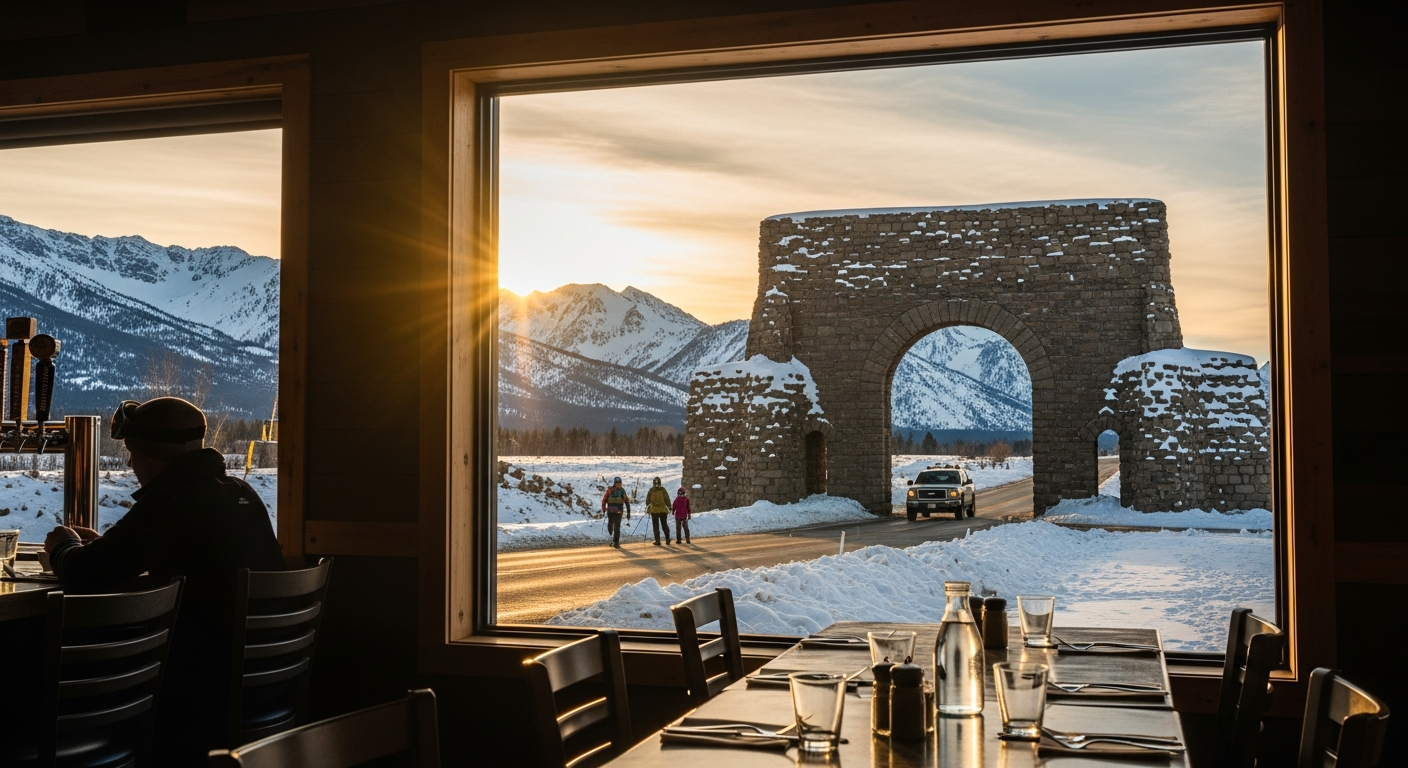
Yellowstone day trips from Bozeman are absolutely doable, but they require planning. The park is enormous — larger than Rhode Island and Delaware combined — and trying to see everything in a day will result in seeing nothing well. These three itineraries are designed around the north entrance (via Gardiner, 90 minutes from Bozeman) and focus on depth over breadth.
Before you go: The essentials
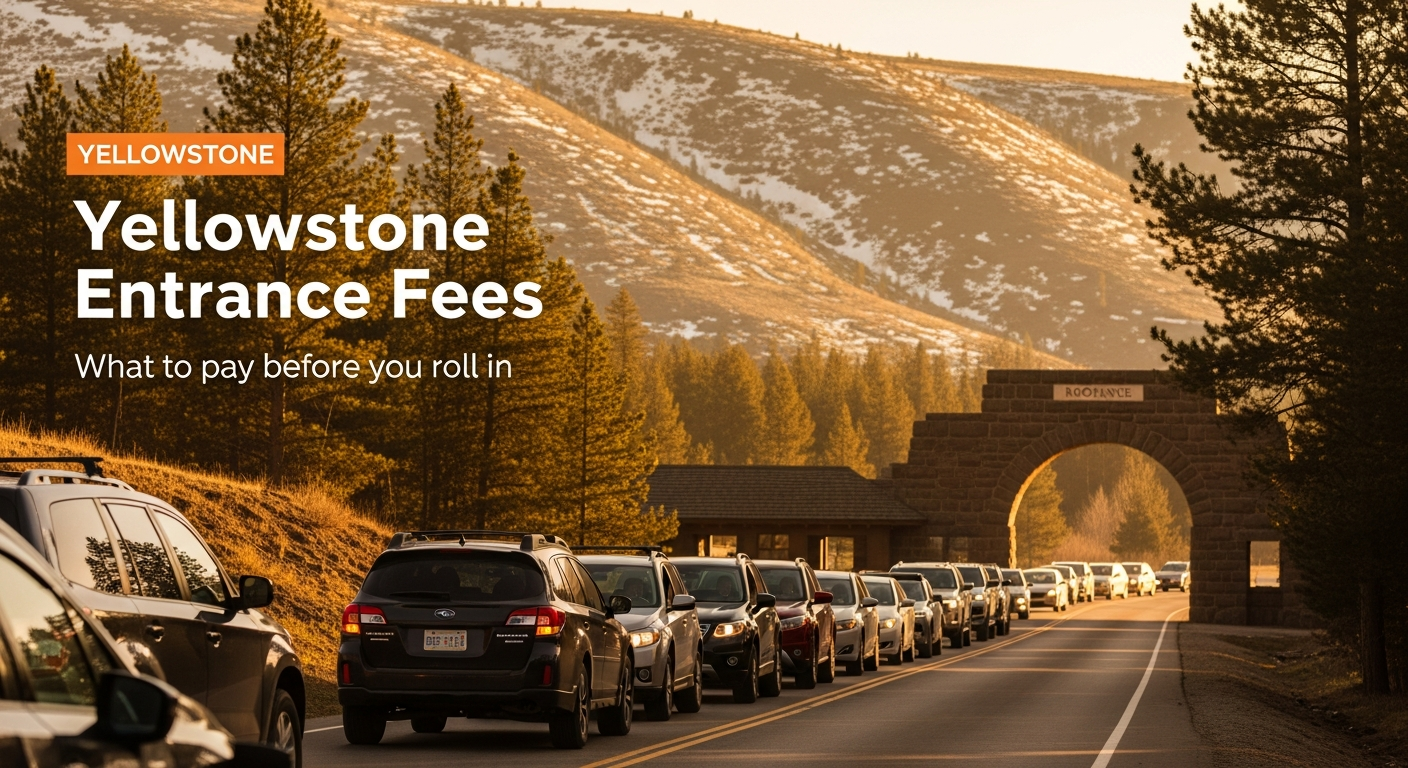
Entrance fees. A 7-day vehicle pass is $35. If you’re planning to visit multiple national parks, the America the Beautiful annual pass at $80 covers entrance to every national park, national forest, and BLM land for a full year. For a Yellowstone day trip combined with any other park visit within 12 months, the annual pass pays for itself immediately.
What to pack. Bring more food and water than you think you’ll need — there are long stretches of park road with no services. Pack binoculars (you’ll use them constantly for wildlife), sunscreen even on cloudy days at elevation, layers regardless of season, and bear spray if you’re planning any hikes. Bear spray is sold at Gardiner and West Yellowstone shops for about $40-$50. You can’t bring it on a plane, so buy it locally or rent a canister from a gear shop.
Fuel up before you enter. Gas inside the park is limited, overpriced, and stations close seasonally. Fill your tank in Bozeman, and if you’re entering via Gardiner or West Yellowstone, top off there. A reliable rental car with good clearance is the best way to make this trip — some pullouts and parking areas are unpaved and rough.
Where to base yourself. Bozeman is the best staging point for any of these itineraries. If you’re still figuring out where to stay in Bozeman, downtown puts you closest to the highway on-ramps for an early departure. For a full breakdown of routes, entrance fees, and what to pack, read the complete Bozeman to Yellowstone planning guide.
Itinerary 1: The northern loop (best for first-timers)
View the northern loop route on Google Maps
Drive to Gardiner via Highway 89 through Paradise Valley — one of the best drives in Montana, with the Yellowstone River running alongside the road. Enter at the north entrance. Hit Mammoth Hot Springs first (45 minutes is enough to see the main terraces). Then drive to Tower-Roosevelt, and continue to Lamar Valley.
Lamar Valley is the best wildlife viewing in the park, and it’s not close. This wide glacial valley is home to bison herds, pronghorn, and wolf packs. Early morning is prime time — wolves are most active at dawn and dusk. Park at any of the pullouts along the valley road, set up your binoculars, and scan the hillsides. In spring and fall, grizzly bears are regularly spotted on the valley floor.
For the best wolf-spotting odds, look for clusters of people with spotting scopes already set up. The wolf-watching community in Lamar is serious and generous — they’ll often let you look through their scopes and tell you exactly what you’re seeing. The Slough Creek and Round Prairie areas are consistent wolf territory.
Loop back via the same route. Total driving: about 5 hours. Total time: 10-12 hours including stops. This is the most rewarding single-day Yellowstone experience from Bozeman.
On your way back, consider a stop at Chico Hot Springs in Paradise Valley. It’s right on the route, the pool stays open until late evening, and soaking after a long day in the park is one of the best experiences in the area.
Itinerary 2: The west side (geysers and hot springs)
View the west side route on Google Maps
Enter through the west entrance via West Yellowstone (90 minutes from Bozeman). Head straight to Old Faithful, which you’ll want to time to a predicted eruption — check the NPS app for the next predicted window and plan your arrival accordingly. Predictions are accurate within about 10 minutes.
Then explore the Upper Geyser Basin boardwalk, which has more geothermal features within walking distance than any other spot in the park. The full boardwalk loop takes about 90 minutes and passes dozens of active geysers, hot springs, and fumaroles. Morning Light and Castle Geyser are standouts that most visitors walk right past.
Grand Prismatic Spring at Midway Geyser Basin is the single most visually impressive feature in Yellowstone. The overlook trail (about 1.5 miles round trip) gives you the aerial perspective you’ve seen in photos. The boardwalk-level view is also worth doing but doesn’t capture the scale and color the same way.
Hit both basins and head back. Total time: 8-10 hours.
The west entrance summer line reality. From late June through mid-August, the line to enter through the west gate can stretch to 30-60 minutes during peak hours (9 AM to 11 AM). The fix is simple: leave Bozeman by 6:30 AM and arrive at the gate before 8 AM. The line at 7:45 is usually under 10 minutes. Alternatively, the north entrance through Gardiner almost never has a significant wait, even in peak summer.
Itinerary 3: Lamar Valley wildlife safari (for repeat visitors)
View the Lamar Valley route on Google Maps
This is the locals’ itinerary. Leave Bozeman at 4:30 AM to be in Lamar Valley at dawn, when wildlife activity peaks. Bring binoculars, a spotting scope if you have one, and plenty of coffee.
Park at the Lamar Valley pullouts and just watch. This isn’t a driving tour — it’s a stationary observation trip. You’ll likely see bison herds, pronghorn, and possibly wolves. Grizzly sightings are common in spring (April through June) when bears are foraging in the valley. In fall, elk bugling echoes through the entire valley at dawn. If you’ve got a telephoto lens, this is where you’ll get your best wildlife shots.
The key spots: the Lamar Valley Bridge pullout, the Slough Creek turnoff, and the large pullout near the Lamar Buffalo Ranch. Arrive before sunrise and stay in one location for at least an hour before moving. Animals that seem absent at first glance often materialize as the light changes and they begin moving.
Return to Bozeman by early afternoon. Total time: 8-9 hours. Reward yourself with a meal at one of Bozeman’s best restaurants — you earned it.
Seasonal access and timing
When you visit determines which itineraries are possible. The north entrance through Gardiner is the only entrance open year-round to vehicles, making Itineraries 1 and 3 available in every season. The west entrance through West Yellowstone typically opens to cars in mid-April and closes in early November.
Summer (June through August) offers full park access but peak crowds and entrance lines. September is the sweet spot — fall colors, elk rut, thinner crowds, and all roads still open. October is excellent but some facilities start closing. Winter offers a completely different experience with limited road access but extraordinary wildlife viewing and zero crowds.
Spring (April and May) is underrated. Roads reopen progressively, bear sightings peak as grizzlies emerge from dens, and the park is nearly empty on weekdays. Some roads may still be closed — check the NPS website for current road status before planning a spring trip.
Tips that actually matter
Don’t chase animals. The 100-yard rule for bears and wolves and 25-yard rule for all other wildlife exist for good reasons. Use binoculars. People get gored by bison every year because they get too close for a photo.
Budget for the full day. Half-day Yellowstone trips from Bozeman don’t work. By the time you drive in, see one or two things, and drive back, you’ve spent four hours in the car for two hours of actual park time. Commit to a full day or don’t go.
Cell service is minimal. Download offline maps for Yellowstone before you leave Bozeman. Google Maps and the NPS app both support offline downloads. Service is spotty at best throughout the park, and dead zones are common in Lamar Valley and along canyon roads.
Bring bear spray on any hike. Even short boardwalk-adjacent trails in geyser basins are in bear country. Carry bear spray in an accessible hip holster, not buried in your backpack. Know how to use it before you need it — there are instructional videos on the NPS website.
Frequently asked questions
What is the best Yellowstone day trip itinerary from Bozeman?
For first-timers, the northern loop through Gardiner is the best overall experience — Mammoth Hot Springs, Tower-Roosevelt, and Lamar Valley for wildlife. If geysers are your priority, enter through West Yellowstone and hit Old Faithful and Grand Prismatic Spring.
How early should I leave Bozeman for Yellowstone?
Leave by 6:30 AM in summer, especially if you’re entering through the west gate. The entrance line at West Yellowstone can stretch to 30-60 minutes between 9 and 11 AM. For the Lamar Valley wildlife itinerary, leave at 4:30 AM to be in position at dawn.
Is one day enough for Yellowstone from Bozeman?
One day is enough to see one section of the park well. Pick either the northern loop (wildlife) or the west side (geysers) and commit to it. Budget 8-12 hours including the drive. Half-day trips from Bozeman don’t work — you’ll spend four hours in the car for two hours of park time.
More in yellowstone
Yellowstone Tours from Bozeman: Which Guided Option Is Actually Worth It?
By Bozeman Proper Staff
Bozeman Airport to Yellowstone: Rental Car, Shuttle, or Private Transfer?
By Bozeman Proper Staff
The Drive from Bozeman to West Yellowstone: Fast Route vs. Scenic Route
By Bozeman Proper Staff
Yellowstone Entrance Fees: Single Vehicle, Annual Passes, and How to Skip the Line
By Bozeman Proper Staff