Where to Cross-Country Ski Near Bozeman
By Bozeman Proper Staff
January 28, 2026 · 8 min read
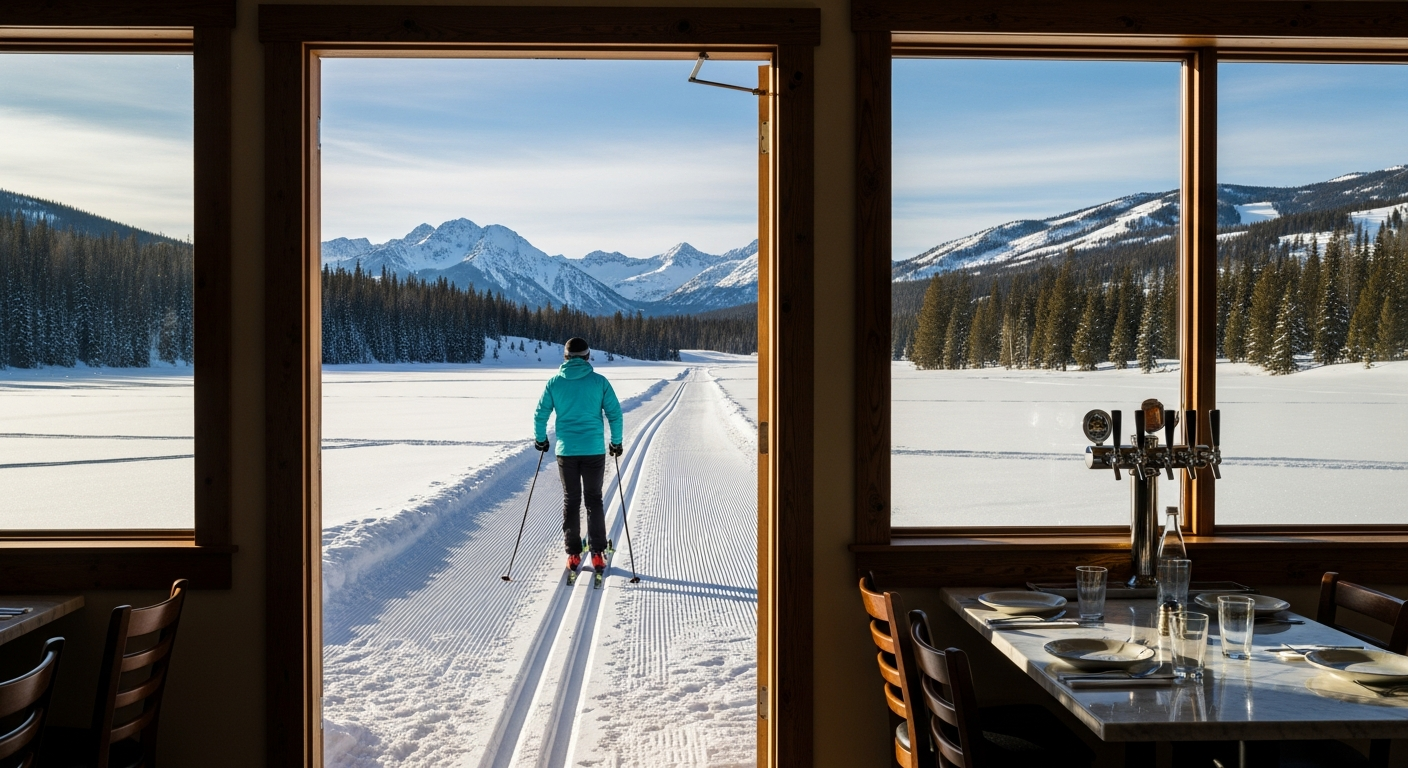
Bozeman’s downhill skiing gets all the attention, but the Nordic skiing here is genuinely world-class. The Bridger Ski Foundation maintains an extensive groomed trail system, the surrounding national forest has endless backcountry options, and the snow quality from December through March is consistently excellent. If you’re a cross-country skier, Bozeman might be the best small city in America for your sport.
Crosscut Mountain Sports Center
Crosscut, about 20 minutes north of town in the Bridger Mountains, is the flagship Nordic venue and it’s not close. The facility has 45 kilometers of professionally groomed trails for both classic and skate skiing, a warming hut with hot drinks, and a biathlon range. The grooming quality rivals anything in the U.S. — they run a PistenBully daily during the season.
Adult day passes are $30, with discounts for seniors ($20) and kids 7-17 ($15). Children 6 and under ski free. A 10-visit punch card runs $240, which brings the per-visit cost down to $24. Season passes are $425 for adults and worth it if you plan to ski 15+ days.
The trail system winds through meadows and dense forest at around 6,500 feet of elevation. The Main Loop (5K) is perfect for beginners — mostly flat with gentle rollers. The Biathlon Loop (7.5K) adds moderate climbing and is a great intermediate workout. For advanced skiers, the Ridge Trail pushes up into steeper terrain with some genuine descents that’ll test your technique. Trails are groomed 6 days a week during peak season, with Monday as the rest day.
Lindley Park and in-town options
Lindley Park, right in Bozeman, has a small but well-groomed loop maintained by the Bridger Ski Foundation. It’s about 2.5 kilometers and perfect for a quick after-work session when you don’t want to drive anywhere. The grooming is surprisingly good for a city park, with both classic tracks and a skate lane.
Sunset Hills, on the south side of town, gets informal grooming and is popular with dog-friendly skiers. It’s not a manicured experience, but the access is easy and the loops are decent for a 45-minute outing.
Backcountry routes
Hyalite Canyon, a 30-minute drive south of Bozeman, is the best free backcountry Nordic option. The road is plowed to the reservoir, and from there you can skin up the Hyalite Creek Trail (6 miles round trip, mostly flat) or explore the side drainages. The canyon also has excellent backcountry touring terrain for more advanced skiers looking to earn their turns. Snow coverage is reliable from late November through March. When the snow melts, Hyalite transforms into one of the best hiking areas near Bozeman — Montana Trail Briefs has trail guides for the full Hyalite Canyon circuit worth bookmarking for summer.
History Rock Trail, off Sourdough Canyon Road, is a popular 4-mile out-and-back through pine forest. It’s mostly flat to gently rolling and well-suited for intermediate classic skiers. Sourdough Creek Trail from the same trailhead adds more distance and a bit more elevation if you want a longer day.
Both backcountry areas are free and ungroomed, so you’re breaking trail or skiing in existing tracks. Bring your own water and snacks — there’s no cell service and no facilities once you leave the trailhead.
Gear rentals and lessons
Bangtail Bikes (yes, the bike shop) rents quality Nordic gear in winter — classic and skate setups for about $25-$30 per day. The staff actually knows cross-country skiing, which isn’t a given at every shop. Round House Sports downtown also does rentals at similar pricing and carries a deeper selection of demo skis if you’re thinking about buying.
Crosscut offers group lessons on weekends for $50-$65 per session, including trail pass but not gear rental. Private lessons run $90-$120 per hour. For beginners, a lesson is genuinely worth it — classic technique looks simple but the diagonal stride and kick timing make a huge difference in efficiency. Most rental shops will set you up with a classic setup for your first time out. Skate skiing has a steeper learning curve and is better tackled after you’re comfortable on classic gear.
Full rental packages (skis, boots, poles) run $25-$35 per day at most shops. Multi-day rentals typically get a 15-20% discount. If you’re here for a week, buying a used setup from Bangtail or Round House can be cheaper than renting — they sell last season’s demo gear starting around $150 for a complete package.
Fat biking as an alternative
Several of the groomed trail systems also allow fat biking, which is worth knowing if you’re a cyclist who doesn’t ski. Crosscut has designated fat bike trails (separate from the ski trails — don’t ride on groomed ski tracks). The Levee Trail along the East Gallatin River in town is groomed for fat bikes in winter and is a flat, easy ride.
Fat bike rentals run $40-$60 per day at Bangtail Bikes or Owenhouse Cycling. It’s a genuinely fun way to get outside in winter if Nordic skiing isn’t your thing.
Best months and conditions
The best time for Nordic skiing around Bozeman is mid-December through mid-March. January and February have the most reliable snow coverage and the coldest temperatures, which means the best glide. March can be excellent but conditions become variable — warm afternoons create icy mornings until the sun softens things up.
Crosscut typically opens in late November or early December depending on snowfall, and the backcountry routes become skiable after a few solid storms build a base. Check the Crosscut website or the Bridger Ski Foundation’s grooming report for current conditions before heading out.
After a long day on the trails, a soak at one of the hot springs near Bozeman is the perfect way to recover. Bozeman Hot Springs is 15 minutes from town and stays open late.
What to know if you’re visiting from out of state
The elevation around Bozeman sits at about 4,800 feet, and Crosscut is closer to 6,500. If you’re coming from sea level, the altitude will hit you harder on Nordic skis than you’d expect — this is a full-body aerobic workout. Take it easy your first day and stay hydrated. The Big Sky area is even higher, so if you’re splitting time between downhill and Nordic, schedule your cross-country day first while your legs are fresh.
More in winter & ski
Using Your Ikon Pass at Big Sky: Days, Blackouts, and Tram Access
By Bozeman Proper Staff
The Reality of Big Sky Lift Ticket Prices (And How to Avoid Paying $250+ a Day)
By Bozeman Proper Staff
Big Sky Resort: Everything You Need to Know Before Your First Visit
By Bozeman Proper Staff
Bridger Bowl vs. Big Sky: A Local's Honest Take
By Bozeman Proper Staff