Bridger Bowl vs. Big Sky: A Local's Honest Take
By Bozeman Proper Staff
January 30, 2026 · 9 min read
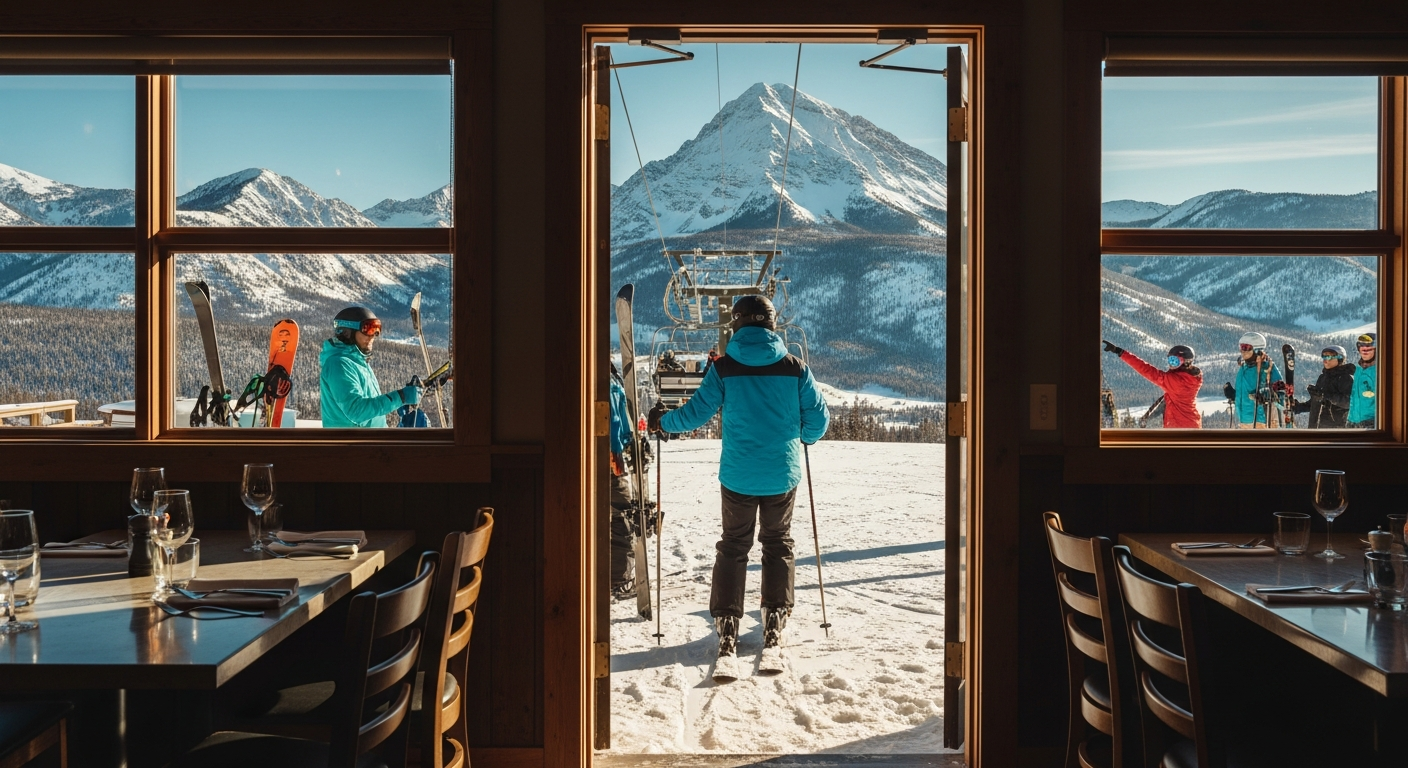
Every winter, visitors to Bozeman ask the same question: Big Sky or Bridger? The honest answer is that they’re completely different experiences serving completely different types of skiers. Comparing them is like comparing a craft cocktail bar to a house party — both are great, but you need to know which one you’re in the mood for.
Big Sky: The resort experience
Big Sky Resort is one of the largest ski areas in North America, with 5,800+ acres, a peak elevation above 11,000 feet, and all the infrastructure that comes with a destination resort. The snow is consistently good, the terrain is world-class (especially the expert runs off Lone Mountain), and on most days the lift lines are shockingly short for a resort this size.
The downside is price. A walk-up adult day ticket runs $249-$279 depending on the time of season, with holiday periods at the high end. Kids 6-17 pay around $179, and children 5 and under ski free. Buying online 7+ days in advance saves roughly $30-$40 per ticket, and multi-day passes drop the per-day cost further — a 4-day pass works out to about $220 per day. But there’s no getting around the fact that a family of four is looking at $800+ just for lift tickets on a single day.
The drive from Bozeman to Big Sky takes about 45 minutes in good conditions, longer after a snowstorm when Highway 191 through the Gallatin Canyon requires extra caution. Lodging at the resort is expensive, with base village hotels starting around $400 per night in peak season. The food situation at the mountain is resort-priced and resort-quality — expect $18 burgers and $8 beers.
Bridger Bowl: The local’s mountain
Bridger Bowl is 20 minutes from downtown Bozeman and operated as a nonprofit. Adult day tickets are $89 on weekdays and $99 on weekends — roughly a third of Big Sky’s price. College students with a valid ID pay $69, and kids 6-12 are $39. That pricing difference is massive over a multi-day trip.
The terrain is smaller at around 2,000 acres, but the snow is often better. Bridger averages about 350 inches of snowfall per year compared to Big Sky’s 300 inches, and the north-facing aspect preserves powder significantly longer. The ridge terrain — the hike-to zone above the main lifts — is some of the best expert skiing in Montana. Steep chutes, open bowls, and snow that stays cold and dry.
The catch is that Bridger is a local’s mountain through and through. The lodges are basic. There’s no slopeside lodging or village. And the parking lot fills fast. On powder days, you need to be in the lot by 8:30 AM or you’re parking in overflow and riding a shuttle. Weekday powder days are slightly more forgiving, but not by much. The locals know the snow report too.
Lift ticket pricing comparison
Here’s the real math. For a couple skiing three days:
- Big Sky: ~$1,500-$1,650 in lift tickets alone (buying online in advance)
- Bridger Bowl: ~$535-$595 in lift tickets
That’s roughly $1,000 in savings at Bridger across a three-day trip. Enough to cover your lodging in Bozeman, meals, and a few rounds at the apres-ski bars afterward.
Both mountains offer season passes, but for visitors the Ikon Pass is how most people access Big Sky at a discount. If you’re already an Ikon holder, Big Sky becomes a much better value proposition since you’re not paying daily rates.
The steepness warning: who should actually ski Bridger
This is the part that travel blogs get wrong by being polite about it, so let’s be direct.
Bridger Bowl is a steep, technical mountain. The ridge hike-to terrain is genuinely expert terrain — tight chutes, mandatory air, serious consequences if you fall. But even the lift-accessed runs are steeper than most ski areas. The blacks at Bridger are harder than the blacks at most resorts, and the blues have more pitch than intermediate skiers from flatter mountains expect.
Every season, intermediate skiers show up at Bridger because it’s cheap and close to Bozeman, get off the lift at the top of the mountain, look down, and have a very bad time. If your home mountain is somewhere in the Midwest or Southeast and you ski blues with confidence, that does not mean you are ready for Bridger’s blues. You will be fighting terrain all day, not enjoying it.
The honest recommendation: Bridger Bowl is for advanced and expert skiers. If you ski aggressively on black diamonds at other mountains and want a physical challenge at a fraction of the price, Bridger is spectacular. If you are an intermediate skier, or you have intermediate skiers in your group, go to Big Sky. Yes, it costs $200 more per day. That is not an accident — you are paying for a mountain that is genuinely accessible at all skill levels, with groomed terrain from the top of the gondola all the way to the base. Bridger does not offer that experience.
The locals who love Bridger love it precisely because it is steep and because it filters out people looking for a groomed cruise. That is not a bug — it is the whole point of the mountain. But as a visitor who paid for a ski trip and wants to actually enjoy the day, know what you are getting into before you buy that $99 ticket.
If you are an intermediate skier who wants to ski near Bozeman affordably, Bridger’s lower mountain has easier terrain and is worth a day. Just do not buy the full-day ticket expecting to ski the whole mountain. The top is not for you yet, and that is okay.
Beginners and families
For true beginners, Bridger is the better choice on price alone — the lower cost means less financial pain if someone decides skiing isn’t their thing by noon. The learning terrain at the base is solid, the ski school is good, and the vibe is lower-pressure. You won’t feel like you’re burning a $270 ticket if you take a long lunch.
But read the steepness warning above before you bring intermediate skiers. The mountain changes dramatically once you go above the beginner area.
Big Sky has a bigger ski school operation and more beginner-designated terrain spread across the mountain, and the sheer scale can feel overwhelming for first-timers — the runs back to the base area aren’t always intuitive. If you’ve got kids who are already confident on blues, Big Sky’s terrain variety is hard to beat. For a family trip where skill levels vary widely, Big Sky handles the mix better. Everyone can find their appropriate terrain without someone having a miserable day.
Snowfall and conditions
Bridger Bowl averages around 350 inches annually, with some seasons topping 400. Big Sky averages about 300 inches but covers it across a much larger area, so the snow gets skied out faster on popular runs. Bridger’s cold, north-facing terrain holds powder for days after a storm. Big Sky’s south-facing aspects can get sun-affected by early afternoon.
Both mountains sit at high enough elevation that the snow quality is generally excellent — this isn’t Pacific Northwest cement. January through early March is the sweet spot at both, with February typically delivering the deepest base and most consistent conditions.
The “ski both” strategy
Many locals with multi-day guests split their time between both mountains, and it’s the smartest play. The strategy: ski Bridger on powder days (it holds fresh snow better and you’ll save money), then hit Big Sky on a bluebird day when you want to cruise groomers across the massive terrain.
A three-day trip skiing two days at Bridger and one at Big Sky runs about $850-$950 for two adults in lift tickets, compared to $1,500+ for three days at Big Sky alone. You get the best of both mountains and save enough to cover a nice dinner downtown.
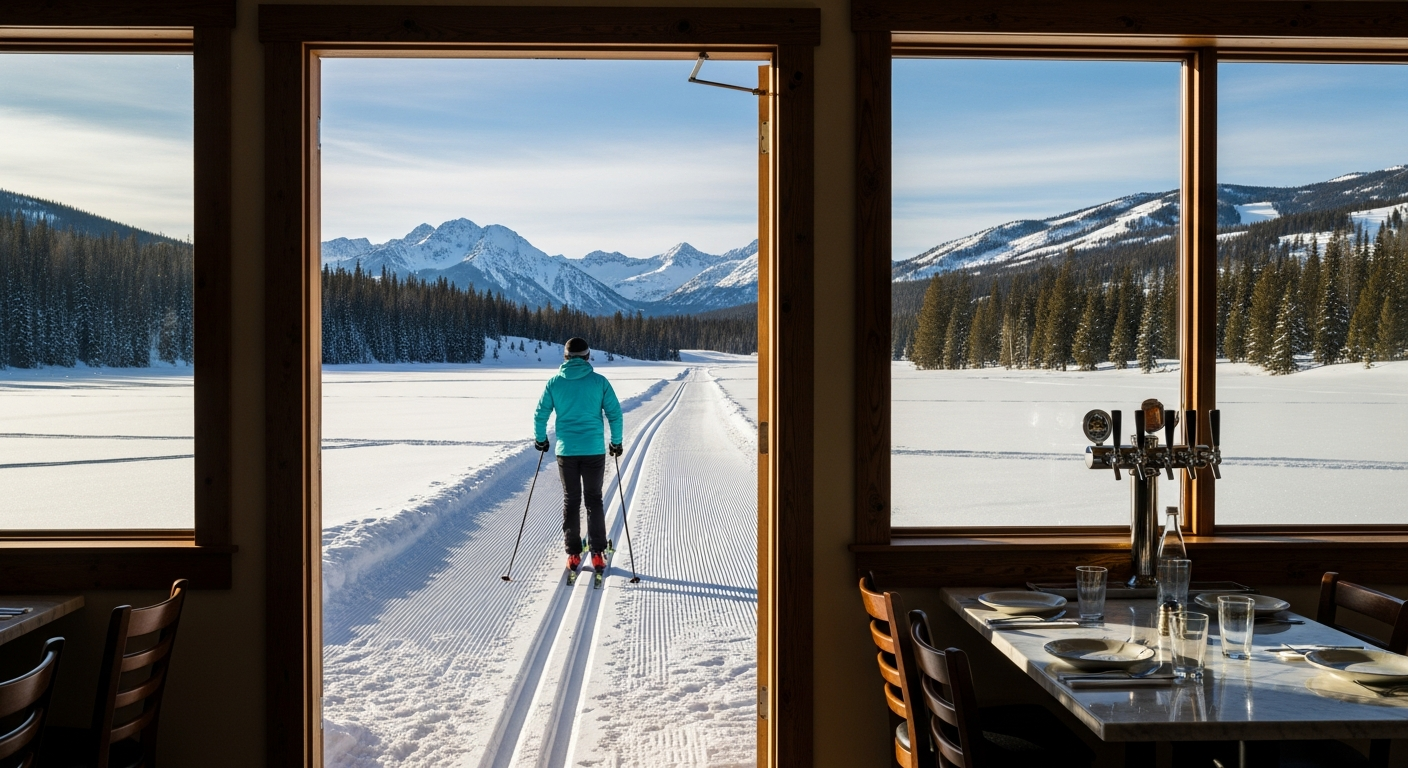
If downhill isn’t your thing — or you want a rest day between resort days — cross-country skiing near Bozeman is excellent and costs a fraction of either mountain.
Side-by-side comparison
| Factor | Big Sky Resort | Bridger Bowl |
|---|---|---|
| Skiable acres | 5,800+ | 2,000 |
| Vertical drop | 4,350 ft | 2,600 ft |
| Annual snowfall | ~300 inches | ~350 inches |
| Adult day ticket | $249-279 | $89-99 |
| Drive from Bozeman | 45-60 min | 20 min |
| Slopeside lodging | Yes (ski-in ski-out options) | No |
| On-mountain dining | Resort-priced, decent options | Basic lodge cafeteria |
| Best for beginners | Large ski school, dedicated area | Smaller, lower-pressure |
| Best for experts | Lone Peak tram, massive terrain | Ridge hike-to terrain, steep chutes |
| Crowd levels | Low for its size | Low weekdays, busy powder mornings |
| Season | Thanksgiving to mid-April | Early Dec to early April |
| Ikon Pass? | Yes | No |
For help deciding when to plan your ski trip, January and early March are the sweet spots at both mountains — consistent snow, manageable crowds, and the best conditions of the season.
The verdict for visitors
If you’re visiting from out of state for a week-long ski vacation and want a full resort experience, Big Sky is the play. If you’re already in Bozeman, want to ski for a day without committing $500+ per person, or you’re an expert looking for some of the best lift-accessed ridge terrain in the Northern Rockies, Bridger is the better mountain. The smart move is to stop thinking of it as either/or and ski both.
More in winter & ski
Using Your Ikon Pass at Big Sky: Days, Blackouts, and Tram Access
By Bozeman Proper Staff
The Reality of Big Sky Lift Ticket Prices (And How to Avoid Paying $250+ a Day)
By Bozeman Proper Staff
Big Sky Resort: Everything You Need to Know Before Your First Visit
By Bozeman Proper Staff
Where to Cross-Country Ski Near Bozeman
By Bozeman Proper Staff