Airbnb vs. Hotel in Bozeman: A Brutally Honest Comparison
By Bozeman Proper Staff
February 3, 2026 · 9 min read
The Airbnb-versus-hotel debate in Bozeman is not as simple as it is in most tourist towns. Bozeman has a relatively small hotel inventory, which means rates spike hard during peak seasons — ski season weekends, summer Yellowstone rush, and any MSU football Saturday. When a standard Hampton Inn room hits $350 a night in January, a three-bedroom Airbnb splitting $500 among friends starts to look like the obvious play. But the math has hidden variables.
The case for hotels
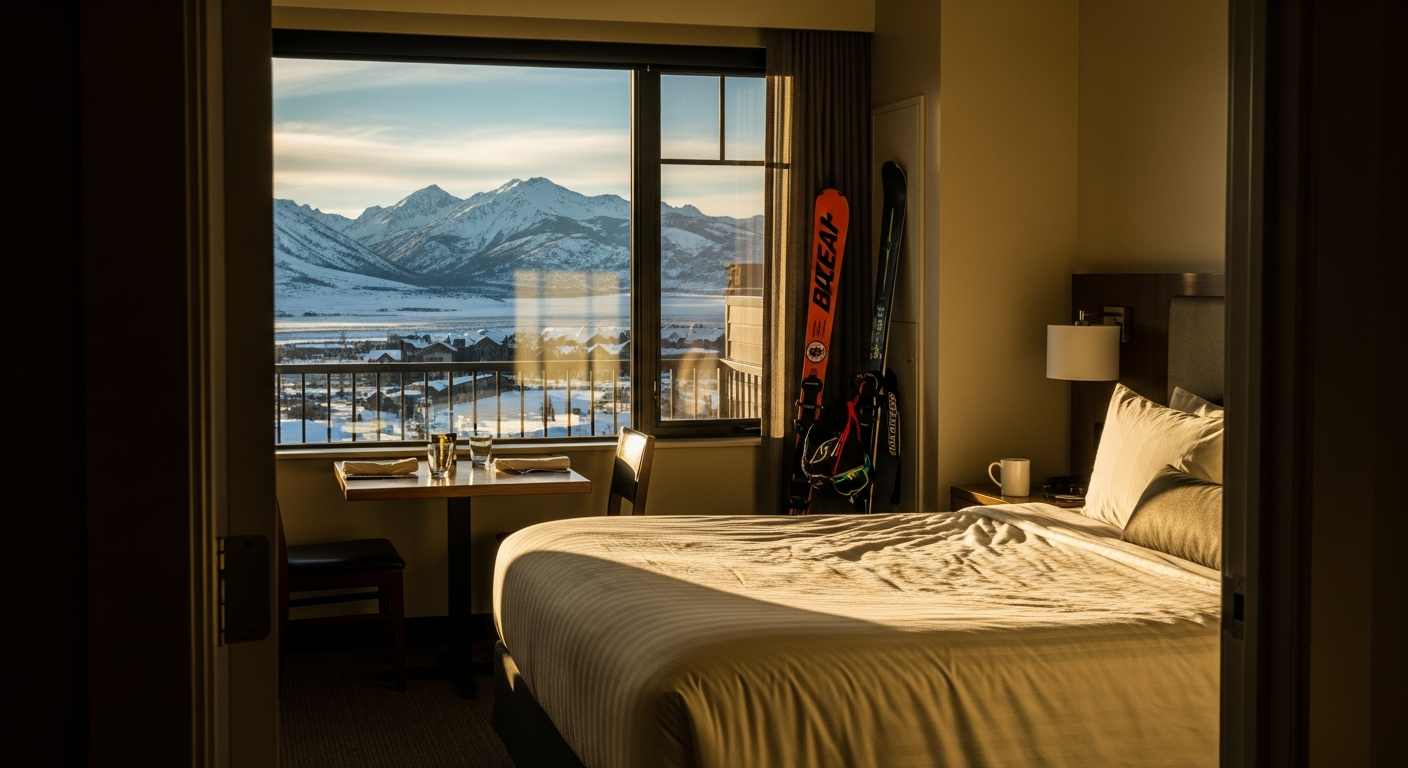
Hotels in Bozeman cluster in two zones: downtown (The Lark, Kimpton Armory, Element) and the North 19th corridor (your usual chain suspects). Downtown hotels put you within walking distance of Main Street’s restaurants and bars, which is worth more than you’d think when the temperature is 10 degrees and the sidewalks are icy. The Lark in particular has dialed in the boutique-hotel experience with curated local touches that make it feel like Bozeman rather than Anywhere, USA.
The chain hotels on 19th are cheaper, usually by $50-100 per night, but you’re driving everywhere. For a deeper breakdown of what each area offers, check our full guide to where to stay in Bozeman.
Hotels also give you consistency. No worrying about check-in instructions from an absent host, no discovering that the “fully equipped kitchen” has one dull knife and a warped pan, no surprise lockbox codes that don’t work at midnight. Breakfast, front desk, done.
The case for Airbnb
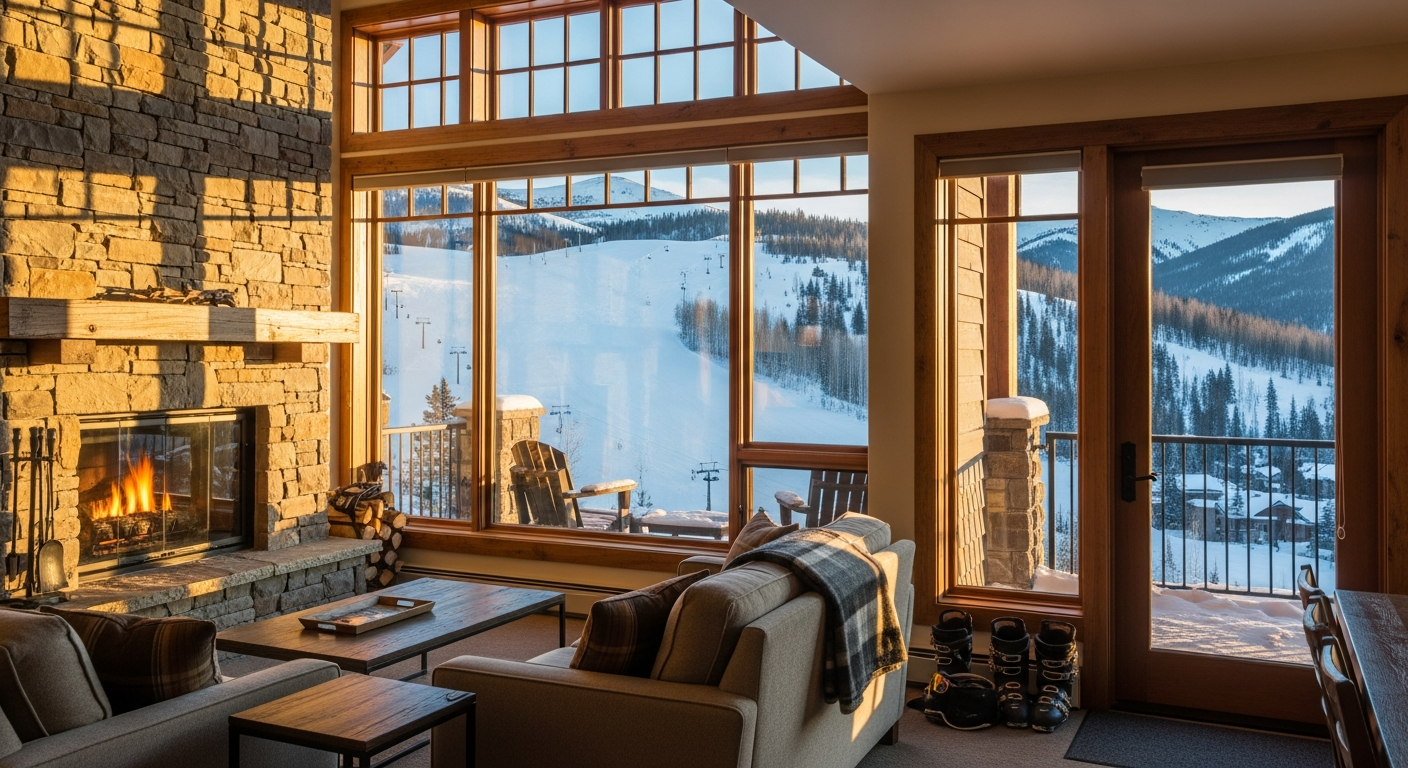
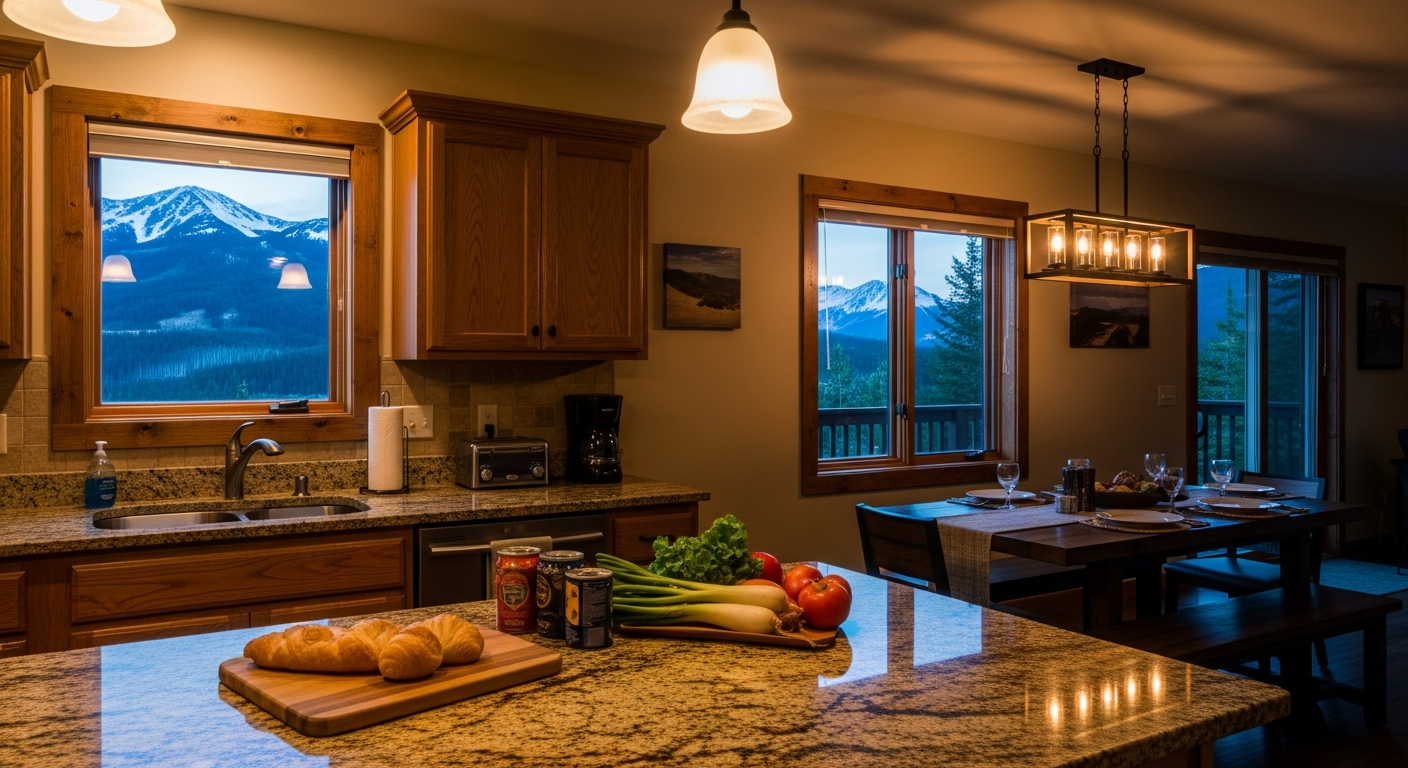
Bozeman’s Airbnb market is genuinely strong, especially for groups. There are beautifully maintained bungalows near the university, modern townhomes on the west side, and the occasional jaw-dropping riverside cabin outside of town. For families or groups of four or more, the per-person economics almost always favor a rental. You get a kitchen, a living room to spread out in, and usually a washer and dryer — real perks on a week-long ski trip.
The best Airbnb listings in the Bozeman area go fast. If you’re visiting during peak season, book two to three months out minimum. Summer weekends and the Christmas-to-New-Year’s ski window are the tightest.
The downside is location. Many of the best-value rentals are in residential neighborhoods or outside town entirely. If you’re staying off Cottonwood Road or out past Four Corners, you’ll want a rental car for everything — groceries, dinner, the mountain.
The cleaning fee math
This is where Airbnb economics fall apart for short trips. Cleaning fees in Bozeman routinely run $150-250, and they’re flat — you pay the same whether you stay two nights or ten.
Here’s a real example. A well-reviewed two-bedroom near downtown lists at $185 per night with a $200 cleaning fee and a $75 service fee. For a two-night weekend trip for a couple, that’s ($185 x 2) + $200 + $75 = $645 total, or $322 per night. A room at the Element or a comparable hotel runs $280 that same weekend with no hidden fees, free breakfast, and a downtown location. The hotel wins by a wide margin.
Stretch that same Airbnb to a five-night stay and the math flips: ($185 x 5) + $200 + $75 = $1,200 total, or $240 per night for a full two-bedroom place. Now you’re getting real value, especially with a kitchen saving you $50-80 per day on dining out.
The breakeven point is usually around three to four nights. Below that, hotels almost always win on total cost for couples and solo travelers.
Big Sky vacation rentals vs. Bozeman Airbnbs
If you’re skiing Big Sky, you face a second decision: rent something in Bozeman (45 minutes from the resort) or rent at Big Sky itself. Big Sky vacation rentals — condos in the Mountain Village, cabins in Meadow Village — put you minutes from the lifts, but you’ll pay for it. Expect $400-700 per night for a decent two-bedroom during ski season, and inventory is dominated by property management companies rather than individual hosts.
The trade-off is real. Staying in Bozeman means a 45-minute drive through the Gallatin Canyon each morning, which can stretch to over an hour on powder days or when the road is icy. But you get restaurants, nightlife, and grocery stores that Big Sky largely lacks. Staying at Big Sky means ski-in, ski-out convenience and zero canyon driving, but you’re eating resort-priced meals and your evening entertainment options are limited.
For week-long ski trips with a group, a Big Sky condo often makes more sense — the canyon driving adds up in time and gas money. For a long weekend mixing skiing with town activities, Bozeman is the better base.
Seasonal pricing differences
Timing matters enormously for both hotels and Airbnbs. Here’s the rough breakdown:
Peak season (mid-December through March, June through August): Hotels run $250-400 per night. Airbnbs run $175-350 per night before fees. Book early or pay a premium for whatever’s left.
Shoulder season (April through May, September through October): This is where the deals live. Hotel rates drop to $140-220, and Airbnb owners get flexible on pricing. Shoulder season is also when Bozeman is arguably at its best — fewer crowds, fall colors in September, spring skiing in April.
Low season (November, early December): The brief window between fall tourism and ski season. Hotels dip below $150, and Airbnb hosts often cut rates 30-40% to fill gaps.
Airbnb vs. hotel: the comparison table
| Factor | Hotel (downtown) | Hotel (N. 19th) | Airbnb (in town) | Airbnb (Big Sky) |
|---|---|---|---|---|
| Nightly rate (peak) | $250-450 | $170-300 | $175-350 + fees | $400-700 + fees |
| Nightly rate (shoulder) | $140-220 | $100-170 | $120-250 + fees | $200-400 + fees |
| Cleaning fee | None | None | $150-250 | $200-300 |
| Breakeven vs hotel | — | — | 3-4 nights | 4-5 nights |
| Kitchen | Limited/none | Some (suites) | Yes | Yes |
| Walkability | Excellent | Poor | Varies | Poor |
| Best group size | 1-2 | 1-2 | 3-6 | 3-8 |
| Parking | Usually included | Included | Usually included | Sometimes extra |
| Consistency | High | High | Varies by host | Varies by host |
For a full breakdown of which Bozeman neighborhoods make sense for hotels versus rentals, read the where to stay in Bozeman guide — it covers every zone from downtown to Belgrade to Big Sky.
The bottom line
Solo travelers and couples on trips of three nights or fewer: book a hotel, preferably downtown. You’ll spend less, walk more, and skip the Airbnb logistics. Groups of four or more staying four-plus nights: an Airbnb wins on both value and livability. Ski-focused trips: run the numbers on Big Sky lodging versus Bozeman and a daily canyon commute before defaulting to a Bozeman rental.