Bozeman in October: Weather, What to Pack, and What to Do
By Bozeman Proper Staff
March 17, 2026 · 9 min read
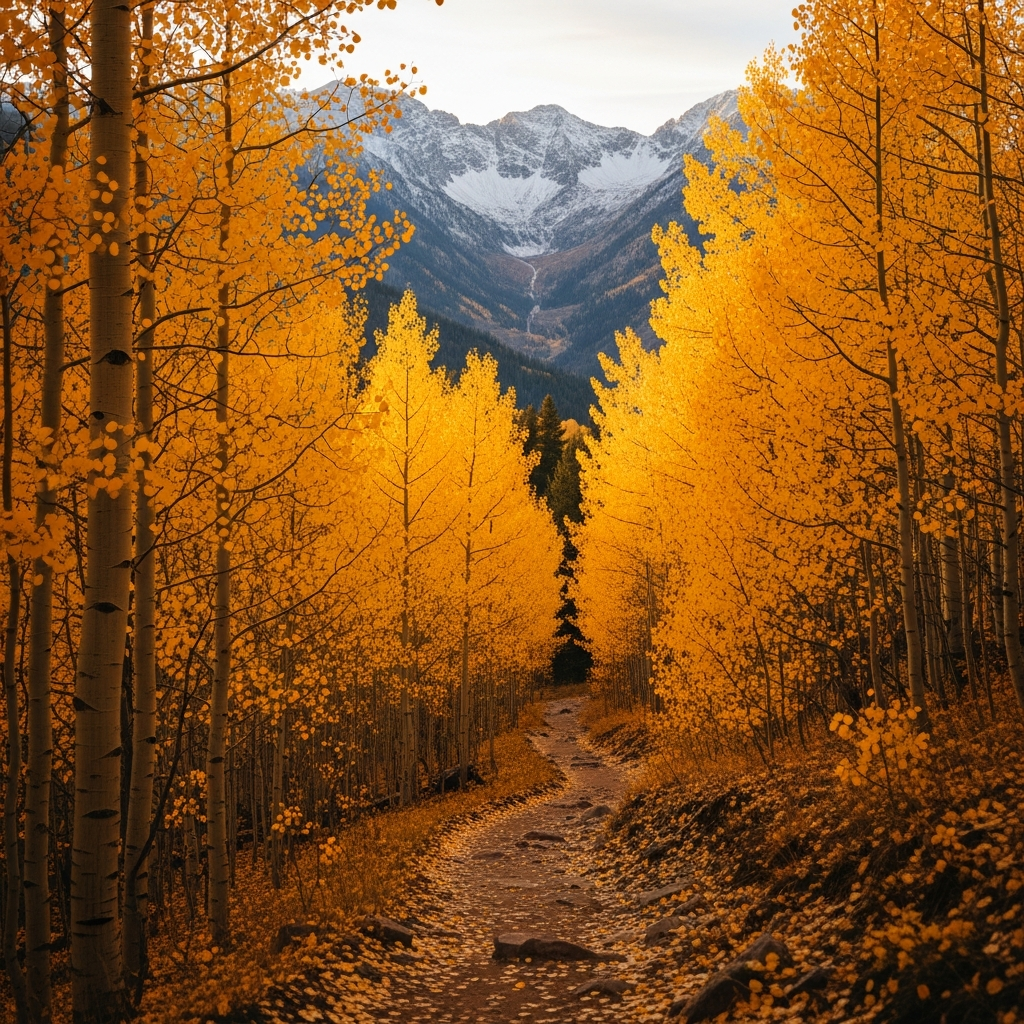
October is the best-kept secret on Bozeman’s calendar. The summer crowds are gone, the fall colors are peaking, hotel rates drop 30-40% from July, and the hiking is arguably better than any other month. You’ll share the trail with elk instead of tour buses.
The catch: the weather is genuinely unpredictable. Early October can feel like late summer. Late October can feel like early winter. You need to pack for both, and you need a plan that doesn’t fall apart when it snows on a Tuesday.
What the weather actually looks like
Here’s the honest breakdown. Average highs start the month around 60°F and drop to about 50°F by Halloween. Overnight lows sit in the high 20s to low 30s, which means frost on most mornings. Bozeman averages about 7 inches of snow in October, spread across 8-9 days, though some years you get nothing and other years you get a foot in a single storm.
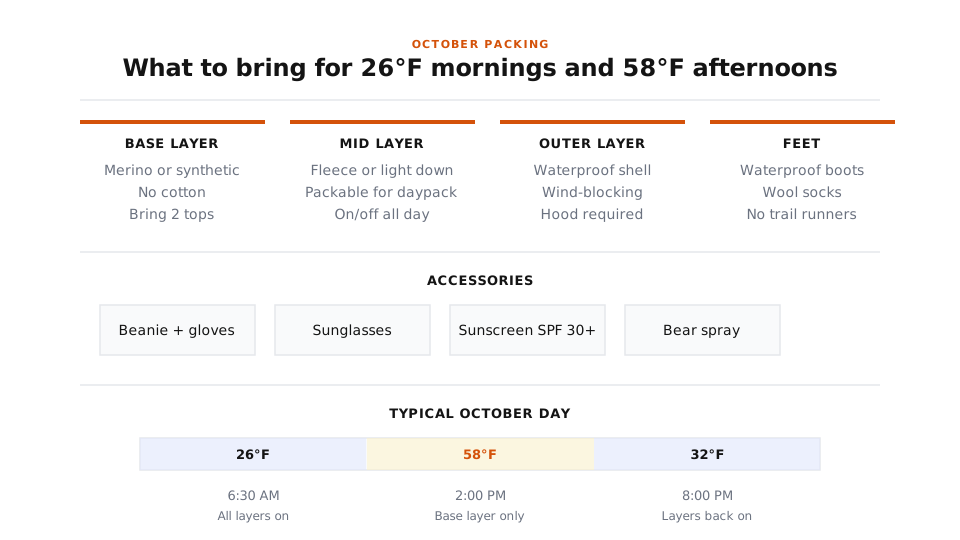
The real story is the daily swings. A typical October day in Bozeman might start at 26°F with frost on the windshield, warm to 58°F by 2 PM under clear blue sky, then drop back into the 30s by sunset. That’s a 30-degree range in a single day. If you pack for only one of those temperatures, you’re going to be miserable for the other half.
Rain is moderate — about 1.8 inches spread across 12 days. When precipitation does show up, it can arrive as rain, snow, sleet, or all three in the same afternoon. October weather in Bozeman doesn’t commit to a single season.
PRO TIP: Check the 10-day forecast before you fly, but don’t trust it past 5 days. Mountain weather changes fast. The most reliable pattern: mornings are cold, afternoons are warm, and anything can happen after 3 PM.
What to pack
Layers. That’s the whole strategy, and it’s not a cliche here — it’s a survival skill.
Base layer: Moisture-wicking synthetic or merino wool. Cotton is a mistake. A cotton t-shirt that gets sweaty on a midday hike will have you shivering at the summit. Bring two base layer tops so one can dry while you wear the other.
Mid layer: A fleece or lightweight down jacket you can stuff into a daypack. You’ll put it on every morning, take it off by noon, and put it back on at dinner. This layer does more work than anything else you’ll bring.
Outer layer: A waterproof shell that blocks wind. It doesn’t need to be a $400 Gore-Tex expedition parka. A basic waterproof jacket with a hood handles October weather fine. You’ll want it for the surprise snow squalls that blow through the canyon in 20 minutes and disappear.
On your feet: Waterproof hiking boots or shoes. The trails are drier than mud season, but morning frost melts into damp trails by midday, and any fresh snow turns everything sloppy. Waterproof footwear is non-negotiable.
Accessories: A beanie and light gloves for mornings. Sunglasses and sunscreen for afternoons. October sun at 5,000 feet is still strong enough to burn, especially when snow reflects it back at you.
Fall colors: where to go and when
The fall foliage peaks in the first two weeks of October, and it’s spectacular. The aspens and cottonwoods in the Gallatin Valley turn gold, orange, and red against a backdrop of snow-dusted peaks. It’s the most photogenic the area gets all year.
Hyalite Canyon is the best single destination for fall color. The drive up Hyalite Canyon Road takes you through cottonwoods and aspens that line the creek, turning the lower canyon into a tunnel of gold. The reservoir at the top reflects the surrounding peaks. Get there before 10 AM on weekends for parking. Palisade Falls is a short, paved walk to a waterfall framed by fall color — families with strollers can handle it easily.
Gallatin Canyon along Highway 191 toward Big Sky lights up with color along the river banks. The drive is gorgeous even if you don’t stop, though the pulloffs near Storm Castle and Greek Creek are worth it for photos.
Peet’s Hill in town gives you valley-wide views of the fall color spread across the Gallatin Valley floor, with the Bridger Range going gold and rust. It’s a 15-minute walk from downtown and one of the best sunset spots regardless of season.
Paradise Valley south toward Livingston has sweeping cottonwood groves along the Yellowstone River. The contrast of golden trees against the Absaroka Range is as good as fall color gets in Montana.
LOCAL’S TAKE: The cottonwoods peak a week or two before the aspens. If you’re planning around fall color, aim for the first week of October for the widest range of color. By the third week, most trees below 6,000 feet are bare.
Hiking in October
October hiking near Bozeman is excellent. The trails are dry, the temperatures are cool enough that you’re not sweating through everything, the bugs are gone, and you’ll see a fraction of the summer foot traffic. Carry bear spray — bears are fattening up for hibernation and more active than usual.
Sypes Canyon in the Bridger Range is the standout October hike. The aspens on the lower slopes are gold, the ridgeline views are massive, and the cooler temps make the 2,000-foot climb comfortable. The hiking trails guide has the full breakdown, and Montana Trail Briefs’ four-season Montana hiking guide covers how conditions shift through fall.
The M Trail is a quick option right at the edge of town. Fast, steep, and the views of the valley in fall color are worth the 20-minute grunt to the top. Great for a morning before the day warms up.
South Cottonwood Creek goes deeper into the mountains if you want a longer day. The aspens in the lower canyon are gorgeous, and the upper meadows are empty by October.
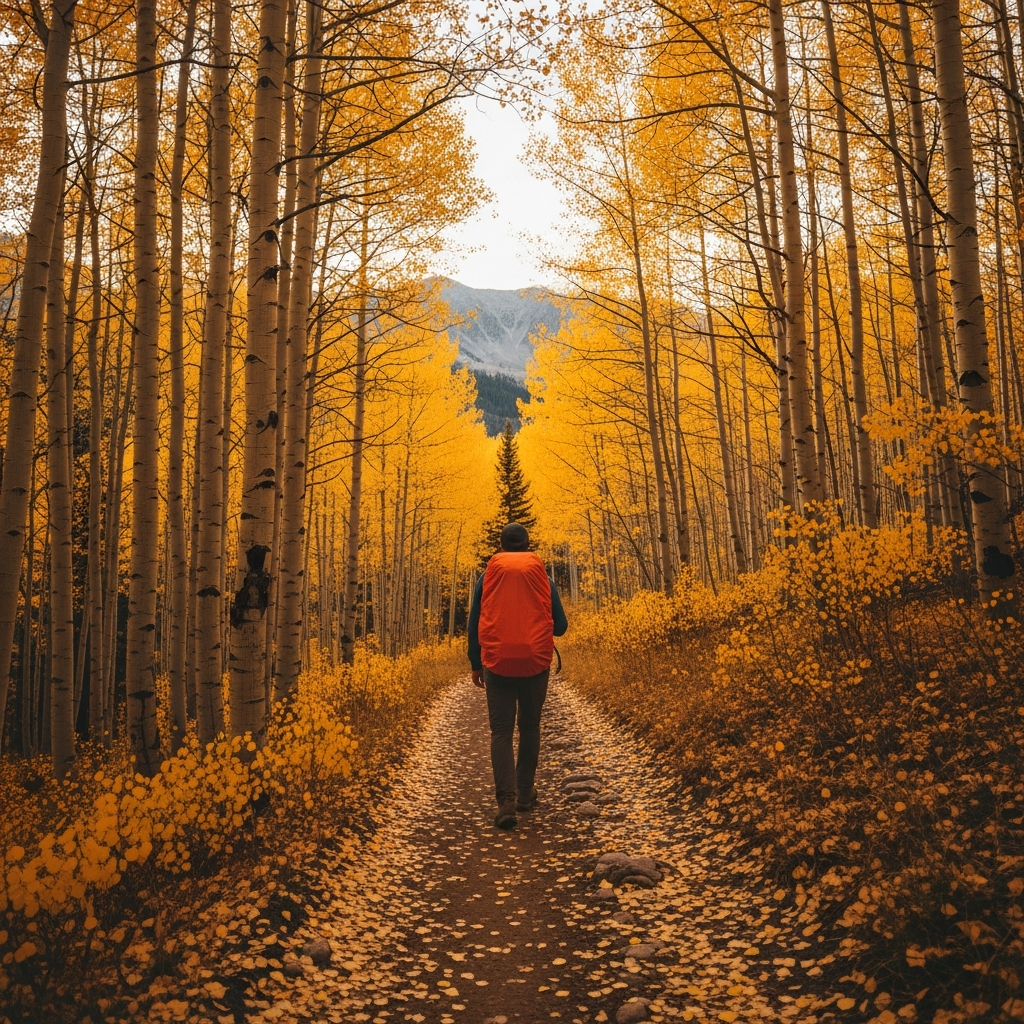
Two things to watch for: first, higher-elevation trails can get early snow that makes footing tricky. Bridger Ridge above 8,000 feet often has snow by mid-October. Second, the days are getting short — sunrise is around 7:30 AM in early October and 8:00 AM by month’s end, with sunset moving from 7:00 PM to 6:00 PM. Plan your hike length around the daylight you have.
The Bridger Raptor Festival
The first weekend in October brings one of the most unique events in Montana: the Bridger Raptor Festival. The Bridger Range is the largest known golden eagle migration corridor in the lower 48 states, and peak migration runs through mid-October. Hawk Watch International maintains a monitoring station on the ridge above Bridger Bowl, and on a good day in October, counters record over 200 golden eagles passing through.
The festival itself is free, family-friendly, and based at Bridger Bowl. There are nature walks, raptor ID talks, live raptors from the Montana Raptor Conservation Center, and spotting scopes set up at the monitoring station. Even if you miss the festival weekend, the eagle migration continues through mid-to-late October and the ridge is accessible for independent viewing.
Yellowstone in October
October is one of the best months to visit Yellowstone, and Bozeman is 90 miles from the north entrance. The day trip guide covers routes and timing, but here’s what makes October special.
The elk rut is in full swing. Bull elk are bugling at Mammoth Hot Springs and along the Madison River, and you can hear them from the road. The Lamar Valley is prime wildlife viewing for bison herds, wolves, and bears stocking up before winter. The summer traffic jams are gone — you’ll actually find parking at the major attractions.
Most park roads stay open through October 31, but Dunraven Pass between Tower Junction and Canyon typically closes by mid-October depending on snow. The Beartooth Highway east of Cooke City closes around the same time. Check current road conditions before planning a loop route. By November 1, almost everything except the north entrance road (Gardiner to Cooke City) shuts down for winter.
The weather inside the park is colder than Bozeman — expect highs in the 40s and lows in the teens at higher elevations. Bring extra layers for Yellowstone even if Bozeman feels mild.
MSU Bobcats football
If your October trip overlaps with a home game at Montana State, go. Bobcat Stadium on a Saturday afternoon is a genuine Bozeman experience — 22,000 fans in a town of 55,000, tailgating in the parking lots starting three hours before kickoff, the Bridger Range visible behind the north endzone. The Big Sky Conference schedule usually puts two or three home games in October.
Tickets are easy to get. Single-game tickets typically run $20-$40 depending on the opponent. Parking near the stadium fills fast, so plan to walk from downtown or park on the MSU campus perimeter. The real move is hitting the tailgates first, watching the game, then walking to a downtown brewery afterward.
Where to eat and drink
Everything is open. Unlike mud season when seasonal restaurants close up, October still operates on the full summer schedule (most places don’t cut hours until November). The difference is you can walk into the best restaurants in Bozeman without a reservation on a weeknight. Try that in July.
The brewery scene is in top form. The taprooms have switched from patio mode to cozy-interior mode, the seasonal stouts and Oktoberfest lagers are on tap, and the brewery crawl is better when it’s 50 degrees than when it’s 85.
Farmers market season ends in late September, so you’ll miss that. But Main Street shops are fully open, and the lack of summer tourist density makes browsing downtown pleasant instead of a contact sport.
Hotel prices and booking
October is shoulder season, and the prices reflect it. Standard downtown hotel rooms run $100-$180 per night — compared to $200-$350 in July. Airbnbs and vacation rentals follow the same pattern. For a full breakdown of neighborhoods and property types, the lodging guide covers it all.
Book the first two weeks of October further in advance than the second half. Fall color visitors and the Raptor Festival create a small demand bump early in the month. By late October, you’ll have your pick of rooms at the lowest rates outside of mud season.
The honest downsides
The days are getting shorter. You lose about 90 minutes of daylight between October 1 and October 31 — from roughly 12 hours of light to 10.5. That limits what you can pack into an outdoor day, especially if you’re hiking.
The weather can turn. A week of 60-degree bluebird days can end overnight with a foot of snow. That snow usually melts in a day or two at valley elevation, but it can close higher roads and trails temporarily. Have indoor backup plans ready.
Late October feels like early winter. By the last week of the month, the fall color is mostly gone, overnight lows regularly hit the teens, and the energy in town shifts from “fall” to “waiting for ski season.” If your dates are flexible, the first two weeks of October are the sweet spot.
Your next move: pick your dates, book a hotel downtown at shoulder-season prices, and check the month-by-month guide to see how October stacks up against the rest of the year. October in Bozeman rewards people who pack right and stay flexible.